Build a Recruitment Shared Services model for your startup. Centralize hiring, boost efficiency & scale fast. Discover how Clera helps!
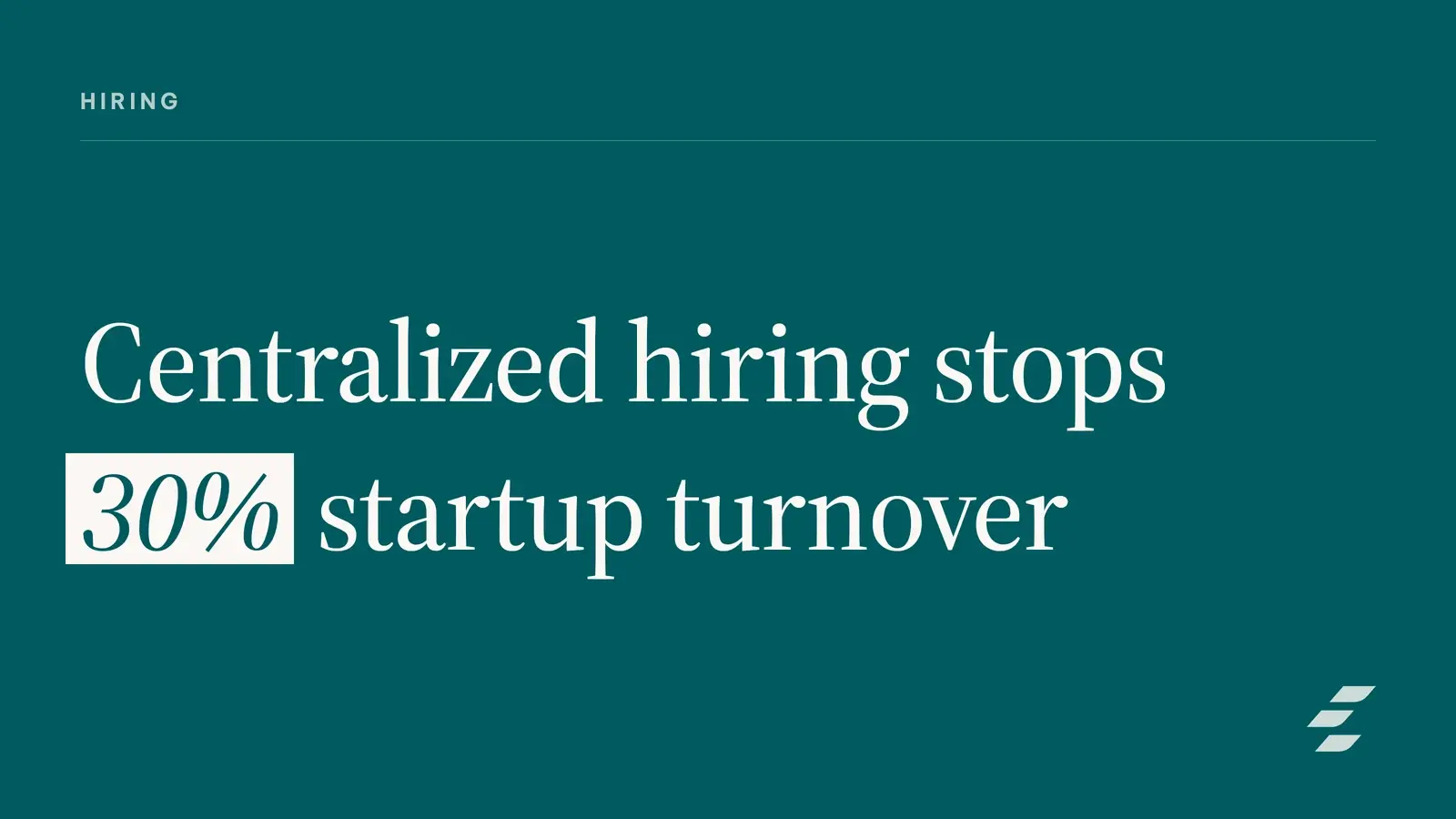
You've just closed your seed round, and suddenly, "hiring" isn't just a task – it's a full-time job for everyone. The initial excitement quickly gives way to a daunting reality: scaling your team from 10 to 50 in a year means navigating a confusing mix of job descriptions, interviews, and offer letters. This ad-hoc approach, while common, is a silent killer of startup momentum. It often leads to inconsistent candidate experiences, duplicated efforts, and a staggering 30% turnover rate in the first year for new hires at high-growth companies.
The challenge isn't just finding talent; it's building a system that can keep pace with your ambition without burning out your founders and hiring managers. What if you could centralize your hiring efforts, streamline processes, and ensure every new hire is a perfect fit, consistently?
This article provides a proven blueprint for doing just that. We'll explore how to build a Recruitment Shared Services Model from the ground up, specifically tailored for startups. You'll learn how to transform your hiring from a reactive scramble into a proactive, scalable engine, leveraging best practices to attract, assess, and onboard top talent efficiently. Get ready to turn your biggest growth challenge into your strongest competitive advantage.
Why Startups Struggle with Hiring & How Centralization Offers a Solution
To turn your biggest growth challenge into a competitive advantage, we first need to understand why many startups stumble at hiring.
The Hidden Costs of Decentralized Startup Recruiting
As a founder, you're constantly juggling product, sales, and fundraising. When it comes to hiring, it's easy to fall into a reactive trap, where each department or even each hiring manager develops their own ad-hoc process. This leads to significant startup hiring challenges.
Imagine Sarah in Engineering conducting interviews differently from Mark in Marketing – varied questions, inconsistent assessment, and disparate candidate communication. This fragmented recruiting creates a subpar candidate experience, damaging your employer brand and deterring top talent. Instead of a streamlined pipeline, you face multiple inefficient mini-pipelines, each with its own bottlenecks. Companies with a centralized talent acquisition function report a 20% Faster Time-to-Hire compared to those with decentralized models. (Gartner, 'Future of HR: Centralized vs. Decentralized Talent Acquisition Models' 2023)
Moreover, startups often lack dedicated recruitment operations expertise. Founders and busy hiring managers are forced to manage administrative tasks like scheduling or resume screening, diverting critical time from strategic work. Josh Bersin, a global industry analyst, notes, "The biggest mistake early-stage companies make is treating recruiting as an afterthought." Bersin by Deloitte This burden severely impacts your hiring efficiency startup, slowing growth and increasing costs.
Introducing the Recruitment Shared Services Model for Startups
The solution to these pervasive issues lies in adopting a centralized recruitment shared services model. Think of it as building a dedicated, expert function (even if it starts small) that handles the operational backbone of all your hiring. This team ensures consistency, drives efficiency, and provides the necessary infrastructure for scalable growth.
A centralized model standardizes everything: job descriptions, interview kits, candidate communication, and offer processes. This ensures every candidate receives a professional, consistent experience reflecting your company's values. Take Rippling, for instance; they built a robust 'Recruiting Operations' function early on. This centralized team managed all ATS configurations, reporting, and interviewer training, freeing individual recruiters to focus purely on candidate engagement and assessment. This operational backbone enabled rapid, quality-driven scaling.
This approach transforms your recruitment strategy startup from a series of isolated efforts into a cohesive, high-performing engine. By 2025, 60% of organizations will have adopted a shared services model for at least one HR function, with recruitment being a primary candidate due to its transactional nature. (PwC, 'Future of Work Report' 2023)
Key Actions for Centralizing Your Hiring:
- Standardize Processes: Develop universal interview guides, scorecards, and feedback loops.
- Implement a Central ATS: Use a single Applicant Tracking System (like Greenhouse or Lever) as your source of truth for all candidate data.
- Automate Repetitive Tasks: Leverage tools for scheduling, initial screening, and communication to free up valuable time.
- Train Your Hiring Managers: Equip them with the skills and understanding to be effective, consistent interviewers.
As Lars Schmidt, Founder of Amplify Talent, emphasizes, "For startups, building a centralized recruiting function isn't just about efficiency; it's about embedding your culture and values into every hire from day one. It's the foundation for scalable growth." Amplify Talent Centralizing isn't just fixing problems; it's proactively building a competitive advantage.
What is a Recruitment Shared Services Model and Why Does Your Startup Need One?
Building on the idea of embedding your culture and values from day one and proactively building a competitive advantage, let's explore the strategic framework that makes this possible: the Recruitment Shared Services Model.
Defining Recruitment Shared Services: Beyond Just HR
At its core, a recruitment shared services definition refers to centralizing core hiring functions, processes, and technology into a dedicated unit. Think of it as a specialized internal agency for all things talent acquisition. This model standardizes everything from job requisition creation and candidate sourcing to interview scheduling, offer management, and even initial onboarding steps. It's about building robust recruitment operations that ensure consistency and efficiency across the board.
While often associated with large enterprises, this model is arguably more critical for startups. Why? Because early hires define your trajectory. Companies like Rippling, for instance, prioritized building a strong "Recruiting Operations" function from its early stages. This centralized team managed ATS configurations, reporting, and candidate experience touchpoints, allowing individual recruiters and hiring managers to focus purely on candidate engagement and assessment. Rippling Careers
The Strategic Advantages for Rapidly Scaling Startups
For a startup in hyper-growth mode, a fragmented hiring approach is a recipe for disaster. A recruitment shared services model provides the backbone for a truly scalable hiring strategy. The benefits of centralized recruiting are profound:
- Faster time-to-hire: By streamlining processes and leveraging technology, you cut down on administrative delays. Companies with a centralized talent acquisition function report a 20% faster time-to-hire compared to those with decentralized models. (Gartner, 'Future of HR: Centralized vs. Decentralized Talent Acquisition Models' 2023)
- Improved Candidate Quality: Standardized assessment methods and a consistent candidate experience attract and secure top talent.
- Consistent Employer Branding: Every candidate interaction, from the job description to the interview, reflects a unified, professional brand. Brex, for example, prioritized a centralized approach to talent acquisition to ensure a consistent brand message and candidate experience, critical for attracting top talent in a competitive industry. Brex Careers
- Cost Efficiency: Automation and optimized workflows reduce manual effort and redundant spending. Startups leveraging AI in their recruitment processes can reduce cost-per-hire by up to 15% and improve candidate quality by 10-12%. (Deloitte, 'Global Human Capital Trends 2024' Projected)
This isn't just a best practice; it's becoming the norm. By 2025, 60% of organizations will have adopted a shared services model for at least one HR function, with recruitment being a primary candidate due to its transactional nature. (PwC, 'Future of Work Report' 2023)
So, how can your startup begin to embrace this model, even if you're not a massive enterprise?
- Start Small: Designate one person (even if it's a founder initially) to own recruitment operations and process standardization.
- Centralize Your Tech: Implement a single, robust Applicant Tracking System (ATS) like Greenhouse or Lever as your core hub. Choosing the Right ATS for Your Startup
- Standardize Key Processes: Develop consistent interview kits, scorecards, and feedback loops for all roles.
- Automate repetitive tasks: Leverage tools for scheduling (e.g., Calendly) and initial candidate screening (like Clera's AI capabilities) to free up valuable time for strategic engagement.
How to Build Your Recruitment Shared Services Model: A Step-by-Step Blueprint
You've seen the vision for a more efficient, scalable hiring process. Now, let's get tactical. Building a recruitment shared services model, even for a lean startup, isn't just about adopting new tools; it's about fundamentally rethinking how you attract and hire talent. It’s the blueprint for a scalable talent acquisition strategy.
Phase 1: Laying the Foundation (People, Process, Tech)
The first step in establishing a robust recruitment operations startup is defining its core.
- Designate Your Lead & Scope: Don't let recruitment operations be an afterthought. Appoint a dedicated individual, even if initially part-time, to own this function. This person will be responsible for defining the scope of services – from candidate sourcing and interview scheduling to offer management and data reporting. As Josh Bersin notes, "The biggest mistake early-stage companies make is treating recruiting as an afterthought. A shared services approach... ensures consistency, compliance, and a superior candidate experience." Bersin by Deloitte, 'The State of Talent Acquisition' (2023) Think of companies like Rippling, which prioritized a robust 'Recruiting Operations' function from its early stages, centralizing critical administrative and process management tasks.
- Implement a Centralized ATS: Your Applicant Tracking System (ATS) is the heart of your centralized recruiting setup. Tools like Greenhouse or Lever, or an AI-powered platform like Clera, become the single source of truth for all candidate data and hiring activities. This centralization isn't just about organization; it's about speed. Companies with a centralized talent acquisition function report a 20% faster time-to-hire. (Gartner, 'Future of HR: Centralized vs. Decentralized Talent Acquisition Models' 2023) This is crucial for a startup where every hire counts.
- Standardize Processes & Branding: Consistency is key to how to implement shared services recruiting effectively. Develop standardized interview kits, scorecards, and feedback mechanisms for every role. This ensures fair, objective assessments and a consistent candidate experience. Brex, for instance, prioritized a centralized approach to talent acquisition, developing standardized interview kits and scorecards to maintain a high bar for talent and a strong employer brand during rapid growth. Also, centralize your employer branding messaging to ensure a unified voice across all touchpoints.
Phase 2: Scaling & Optimizing Your Centralized Function
Once your foundation is solid, focus on efficiency and continuous improvement.
- Automate Repetitive Tasks: This is where a hiring efficiency startup truly shines. Leverage AI and automation to free up valuable time. Tools like Calendly can automate interview scheduling, while AI platforms like Clera or Paradox can handle initial candidate screening and FAQs. 85% of HR leaders believe that investing in recruitment technology, including automation and AI, is critical for scaling hiring efficiently in the next 2-3 years. (LinkedIn Talent Solutions, 'Global Talent Trends 2024' Projected) This allows your team to focus on strategic engagement rather than administrative burdens.
- Leverage Data Analytics for Optimization: Your centralized ATS is a goldmine of data. Track key metrics like time-to-hire, source of hire, candidate conversion rates, and diversity metrics. Use these insights to identify bottlenecks, refine your processes, and continuously improve your hiring funnel. Stripe, known for its hyper-growth, built a highly centralized and data-driven talent acquisition team early on, leveraging internal tools and data to ensure consistency and efficiency. Startups leveraging AI in their recruitment processes can reduce cost-per-hire by up to 15% and improve candidate quality by 10-12%. (Deloitte, 'Global Human Capital Trends 2024' Projected) This data-driven approach is vital for making informed decisions and achieving sustainable growth.
Essential Tech Stack for a Lean & Efficient Recruitment Shared Services
To truly operationalize a lean and efficient recruitment shared services model, especially for a rapidly growing startup, the right tech stack isn't just a nice-to-have – it's non-negotiable. Just as Stripe built a highly centralized and data-driven talent acquisition team early on, leveraging internal tools for consistency and efficiency, your tech stack will be the backbone of your hiring success. It's about empowering your team to move beyond manual tasks and focus on strategic talent engagement, ensuring every hire contributes to your growth.
The Central Hub: Applicant Tracking Systems (ATS)
At the core of any effective recruitment shared services model is a comprehensive Applicant Tracking System (ATS). Think of it as the central nervous system for your entire hiring funnel. For ATS for startups, this isn't just a place to store resumes; it's where you manage candidate pipelines, standardize processes, track communications, and ensure a consistent candidate experience. A robust ATS centralizes all recruitment data, providing the visibility needed to make informed decisions.
Companies with a centralized talent acquisition function report a 20% faster time-to-hire compared to those with decentralized models. (Gartner, 'Future of HR: Centralized vs. Decentralized Talent Acquisition Models' 2023) This speed is critical for startups. For instance, Rippling, a fast-growing HR and IT platform, prioritized building a strong 'Recruiting Operations' function around their ATS from its early stages. This allowed them to manage all configurations, reporting, and candidate touchpoints centrally, enabling rapid scaling without sacrificing quality. Choosing the right ATS early on is one of the most impactful recruitment operations tools you can invest in.
Key Action:
- Implement a single, robust ATS: Select a platform like Greenhouse or Lever that offers scalability, strong reporting, and integration capabilities. This will be your single source of truth for all hiring activities. Choosing the Right ATS for Your Startup
Automation & AI: Supercharging Your Recruitment Operations
While an ATS provides the structure, AI and automation tools are the engines that drive efficiency. For a recruitment technology startup like Clera, we've seen firsthand how AI in recruiting can dramatically reduce administrative overhead, freeing up valuable time for strategic talent engagement. These tools can automate repetitive tasks, from initial candidate screening and interview scheduling to personalized outreach, allowing your team to focus on building relationships and assessing talent.
Startups leveraging AI in their recruitment processes can reduce cost-per-hire by up to 15% and improve candidate quality by 10-12%. (Deloitte, 'Global Human Capital Trends 2024' Projected) This isn't just about saving money; it's about enhancing the quality of your hires, which is paramount for early-stage companies. Tools like Calendly for automated scheduling or AI assistants like Paradox for candidate FAQs can transform your operational efficiency. Jeanne Meister, Executive Vice President, Future Workplace, states, "AI and automation are not just for large enterprises. Startups can leverage these tools to create a lean, centralized recruiting machine, freeing up valuable time for strategic talent engagement rather than administrative tasks."
Key Action:
- Integrate AI and automation: Look for tools that automate scheduling, initial candidate screening, and personalized communication. This will streamline your processes and allow your recruiters to focus on high-value tasks. Leveraging AI for Efficient Candidate Screening
Investing in this essential recruitment technology startup stack is not just about current efficiency; it's about future scalability. 85% of HR leaders believe that investing in recruitment technology, including automation and AI, is critical for scaling hiring efficiently in the next 2-3 years. (LinkedIn Talent Solutions, 'Global Talent Trends 2024' Projected) A well-equipped tech stack is the foundation for sustainable growth.
Avoiding Common Pitfalls: Ensuring Success for Your Centralized Hiring
While a powerful tech stack is crucial for future scalability, technology alone won't guarantee success. To truly unlock the power of centralized hiring, you must proactively avoid common recruitment strategy mistakes that can derail even the best intentions.
Mistakes to Avoid When Implementing Shared Services
Many centralized hiring challenges arise not from the model itself, but its implementation. The primary pitfall is neglecting change management and failing to adequately train hiring managers on new processes. A centralized system introduces new workflows and tools; without proper guidance, managers can feel disempowered, leading to resistance and inconsistent adoption.
Consider Rippling, which built a robust 'Recruiting Operations' function early on. This centralized team didn't just manage the ATS; they also handled interviewer training, ensuring consistency and quality across all hiring teams. This proactive approach prevents the common recruitment strategy mistakes of assuming natural adaptation.
Secondly, beware of over-automating without maintaining a human touch in candidate interactions. While tools like Clera excel at streamlining initial screening and outreach, the human element remains paramount. Candidates, especially top talent, expect personalized engagement. An overly robotic process can alienate top talent, regardless of efficiency. Remember, automation should free up your team to focus on meaningful interactions, not replace them entirely. Startups leveraging AI in their recruitment processes can reduce cost-per-hire by up to 15% and improve candidate quality by 10-12%. (Deloitte, 'Global Human Capital Trends 2024' Projected) – but this improvement is maximized when paired with strategic human oversight.
Best Practices for Sustained Scalability and Quality
To truly achieve hiring efficiency startup goals, prioritize data collection and analysis to continuously refine your recruitment strategy. A centralized system offers a golden opportunity to gather consistent data, invaluable for identifying bottlenecks, optimizing your funnel, and making informed decisions.
Stripe, for instance, scaled its global workforce with a highly centralized, data-driven talent acquisition team. They invested heavily in recruitment operations and standardized processes, using data to maintain a high bar for talent during hyper-growth. By tracking metrics like time-to-hire, source of hire, and candidate conversion rates, you can pinpoint what's working and what isn't. Companies with a centralized talent acquisition function report a 20% faster time-to-hire compared to those with decentralized models. (Gartner, 'Future of HR: Centralized vs. Decentralized Talent Acquisition Models' 2023) – but only with active measurement and optimization.
Here are key actions for best practices for recruitment:
- Invest in Training: Provide mandatory, ongoing training for all hiring managers on new processes, interview best practices, and unconscious bias. Interviewer Training Best Practices
- Balance Automation with Empathy: Leverage AI for efficiency, but ensure critical candidate touchpoints (e.g., personalized feedback, final interviews) remain human-led.
- Establish Data Dashboards: Implement robust reporting within your ATS (like Clera's analytics) to track key performance indicators (KPIs) and regularly review them to inform strategic adjustments. Key Recruitment Metrics for Startups
- Solicit Feedback: Continuously gather feedback from candidates and hiring managers to identify areas for improvement in your centralized process. Candidate Experience Surveys
By proactively addressing these centralized hiring challenges and embracing data-driven best practices for recruitment, your startup can build a resilient, efficient, and candidate-centric hiring machine.
Real-World Success: Startups Thriving with Centralized Talent Acquisition
Having explored the strategic adjustments and best practices for overcoming centralized hiring challenges, let's now turn our attention to the real-world impact of this approach. The proof, as they say, is in the pudding – or in this case, in the hyper-growth trajectories of some of today's most successful startups.
Lessons from Hyper-Growth Companies
For many founders, the idea of investing heavily in recruitment operations early on can seem daunting. Yet, leading companies like Stripe, Rippling, and Brex demonstrate that a robust, centralized talent acquisition strategy isn't just a luxury for large enterprises; it's a fundamental driver of startup recruitment success stories and scalable hiring case studies. Their journeys highlight the critical importance of standardized processes, dedicated recruitment operations, and a strong employer brand in attracting and retaining top talent during periods of rapid expansion.
These companies didn't just grow; they scaled their talent acquisition with intentionality:
- Stripe's Data-Driven Precision: While not a traditional "shared services" model, Stripe rapidly scaled its global workforce by building a highly centralized and data-driven talent acquisition team from its early days. They invested heavily in recruitment operations, standardizing processes and leveraging internal tools to ensure consistency and efficiency across all hiring teams. This allowed them to maintain a strong culture and high bar for talent during hyper-growth, proving that a centralized approach is key to managing quality at scale.
- Rippling's Operational Backbone: Rippling, a fast-growing HR and IT platform, prioritized a robust "Recruiting Operations" function. This centralized team managed everything from ATS configurations and reporting to candidate experience touchpoints and interviewer training. This operational backbone freed up individual recruiters and hiring managers to focus purely on candidate engagement and assessment, enabling them to scale hiring rapidly without sacrificing quality or consistency. This is a prime centralized talent acquisition example of how operational excellence fuels growth.
- Brex's Consistent Brand Experience: Brex, a fintech innovator, understood that a consistent brand message and candidate experience were paramount in a competitive industry. Their talent team developed standardized interview kits, scorecards, and a robust onboarding process, all managed centrally. This allowed them to scale hiring across diverse roles and geographies while maintaining a high bar for talent and a strong employer brand.
These scalable hiring case studies underscore a crucial point: Companies with a centralized talent acquisition function report a 20% faster time-to-hire compared to those with decentralized models. (Gartner, 'Future of HR: Centralized vs. Decentralized Talent Acquisition Models' 2023) As Lars Schmidt, Founder of Amplify Talent, aptly puts it, "For startups, building a centralized recruiting function isn't just about efficiency; it's about embedding your culture and values into every hire from day one. It's the foundation for scalable growth." Amplify Talent
Applying These Principles to Your Startup
You don't need Stripe's budget to adopt these winning strategies. Here’s how you can apply these lessons:
- Build a Centralized Core: Even if it's just one dedicated person initially, establish a "Recruitment Operations" or "Talent Acquisition" function. This individual or team will own process standardization, ATS management, and reporting.
- Standardize Everything: Develop consistent interview kits, scorecards, and feedback processes for all roles. This ensures fairness, reduces bias, and maintains a high bar for talent.
- Invest in Technology: Leverage a robust Applicant Tracking System (ATS) like Greenhouse or Lever, and consider AI-powered platforms like Clera to automate repetitive tasks, streamline workflows, and enhance candidate matching. Startups leveraging AI in their recruitment processes can reduce cost-per-hire by up to 15% and improve candidate quality by 10-12%. (Deloitte, 'Global Human Capital Trends 2024' Projected)
- Champion Your Employer Brand: Ensure a consistent and compelling employer brand message across all touchpoints, from job descriptions to candidate communications. A strong brand attracts top talent and reinforces your culture. Building a Strong Employer Brand for Startups
- Train Your Hiring Managers: Provide mandatory training on interview best practices, unconscious bias, and your company's standardized hiring process. This empowers them while ensuring consistency.
By embracing these principles, your startup can transform its hiring from a reactive, fragmented effort into a strategic, efficient, and scalable engine for growth, mirroring the success of industry leaders.
future-proof your startup's growth with a Smart Recruitment Strategy
Building on the idea of transforming your hiring into a strategic, efficient, and scalable engine, let's talk about how to truly future-proof your startup's growth through a smart recruitment strategy. As a founder, you know that talent is your most valuable asset, and how you acquire it directly impacts your trajectory.
The Imperative for Centralized, Scalable Hiring
For any scalable growth startup, inconsistent hiring processes can quickly become a bottleneck, hindering progress and diluting your culture. This is why adopting a recruitment shared services model, even in its nascent form, isn't just an operational tweak – it's a strategic investment in your long-term talent quality and efficiency. By centralizing key recruitment functions, you standardize processes, ensure compliance, and provide a consistent candidate experience.
Consider companies like Rippling, which prioritized building a robust "Recruiting Operations" function early on. This centralized team managed everything from ATS configurations to interviewer training, allowing individual recruiters and hiring managers to focus purely on engaging and assessing top talent. This approach mirrors the advice of industry analyst Josh Bersin, who states, “The biggest mistake early-stage companies make is treating recruiting as an afterthought.” Bersin by Deloitte, 'The State of Talent Acquisition' (2023) A dedicated, centralized recruitment strategy startup can significantly improve your outcomes. In fact, companies with a centralized talent acquisition function report a 20% faster time-to-hire compared to those with decentralized models. (Gartner, 'Future of HR: Centralized vs. Decentralized Talent Acquisition Models' 2023), a critical advantage in competitive markets.
To truly achieve hiring efficiency startup goals and prepare for the future of recruitment, you must embrace technology and automation. This isn't just for large enterprises; startups can leverage these tools to create a lean, efficient, and scalable hiring machine. 85% of HR leaders believe that investing in recruitment technology, including automation and AI, is critical for scaling hiring efficiently in the next 2-3 years. (LinkedIn Talent Solutions, 'Global Talent Trends 2024' Projected) Automation frees up valuable time from administrative tasks, allowing your team to focus on strategic talent engagement and relationship building.
Ready to Transform Your Hiring? Discover Clera.
This is where Clera comes in. We understand the unique pressures and ambitions of a scalable growth startup. Clera offers an AI-powered solution specifically designed to streamline your recruitment operations and enhance hiring efficiency. By leveraging intelligent automation, Clera helps you:
- Automate repetitive tasks: From initial candidate screening to interview scheduling, freeing up your team for more strategic work.
- Enhance candidate quality: Our AI-powered matching ensures you connect with the most relevant talent faster.
- Gain actionable insights: Data-driven analytics help you optimize your hiring funnel and make informed decisions.
The impact of AI in recruitment is clear: Startups leveraging AI in their recruitment processes can reduce cost-per-hire by up to 15% and improve candidate quality by 10-12%. (Deloitte, 'Global Human Capital Trends 2024' Projected) Clera empowers your startup to achieve these kinds of results, ensuring your recruitment strategy startup is not just reactive, but proactive and predictive. Don't let outdated processes hold back your growth. Embrace the future of recruitment today.
How AI Transforms Startup Recruitment
Frequently Asked Questions
Key Takeaways
- Centralization is Essential for Growth: Ad-hoc hiring kills startup momentum. A Recruitment Shared Services Model (RSSM) transforms chaotic hiring into a proactive, scalable engine.
- Combat Hidden Costs: Decentralized recruiting leads to inconsistent experiences, duplicated efforts, and high turnover. Centralization reduces time-to-hire and cost-per-hire while improving candidate quality.
- Start Lean, Scale Smart: You don't need a huge team. Designate a lead, implement a central ATS, standardize processes, and automate repetitive tasks from day one.
- Tech is Your Backbone: A robust ATS (like Greenhouse or Lever) combined with AI-powered tools (like Clera) is non-negotiable for efficiency, automation, and data-driven insights.
- Avoid Pitfalls, Embrace Best Practices: Don't over-automate or neglect training. Balance AI with human empathy, leverage data analytics, and continuously solicit feedback to refine your process.
- Learn from Leaders: Companies like Stripe, Rippling, and Brex prove that centralized, data-driven talent acquisition is a fundamental driver of hyper-growth and sustained success.
- Future-Proof Your Talent Strategy: A smart, centralized recruitment strategy is a strategic investment that ensures long-term talent quality, efficiency, and a strong employer brand, preparing your startup for the future of recruitment.