Engineering at Clera
Teaching an agent to judge talent.
Clera reads someone's background, works out which of 2,000+ open roles at 900+ startups they'd actually get, and makes the warm intro to the founder. A small team builds it with coding agents doing most of the typing, and we merge about a hundred pull requests a week.
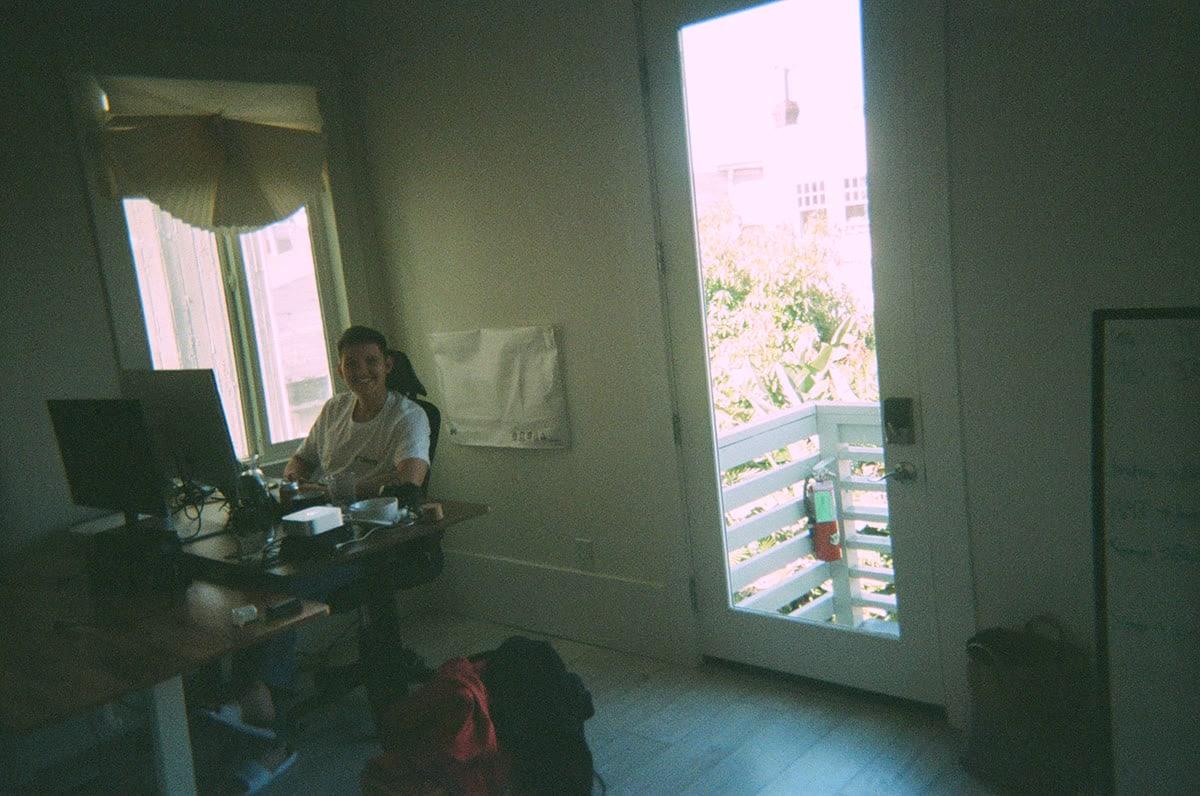
How we build
The product, the problems, and the stack.
What we're building
Three parts: a matching engine that ranks people against roles, an agent that talks to candidates over WhatsApp, iMessage, LinkedIn, Slack and web chat, and the tools our talent team works in all day.
The problems
Is this person actually a fit for this role, before anyone has interviewed them? When should an agent that's talking to thousands of candidates stop and hand over to a human? Did that prompt change get more people hired, or just more replies?
None of these have a textbook answer. You get real outcomes back, interviews and hires, and work it out from there.
How you'd work
You own a slice of the product end to end. An agent writes the first draft of most of the code. You decide what's worth building, point it in the right direction, read the diff and ship it.
When it breaks, it's yours to fix, whoever typed it.
The stack
- Language
- TypeScript, everywhere
- Web
- Next.js
- Data
- Postgres with Drizzle, Typesense for search
- Jobs
- Trigger.dev
- Models
- Vercel AI SDK, traced in Langfuse
- Coding
- Claude Code
Well-documented, slightly boring tools on purpose, so the time goes on the problems above.
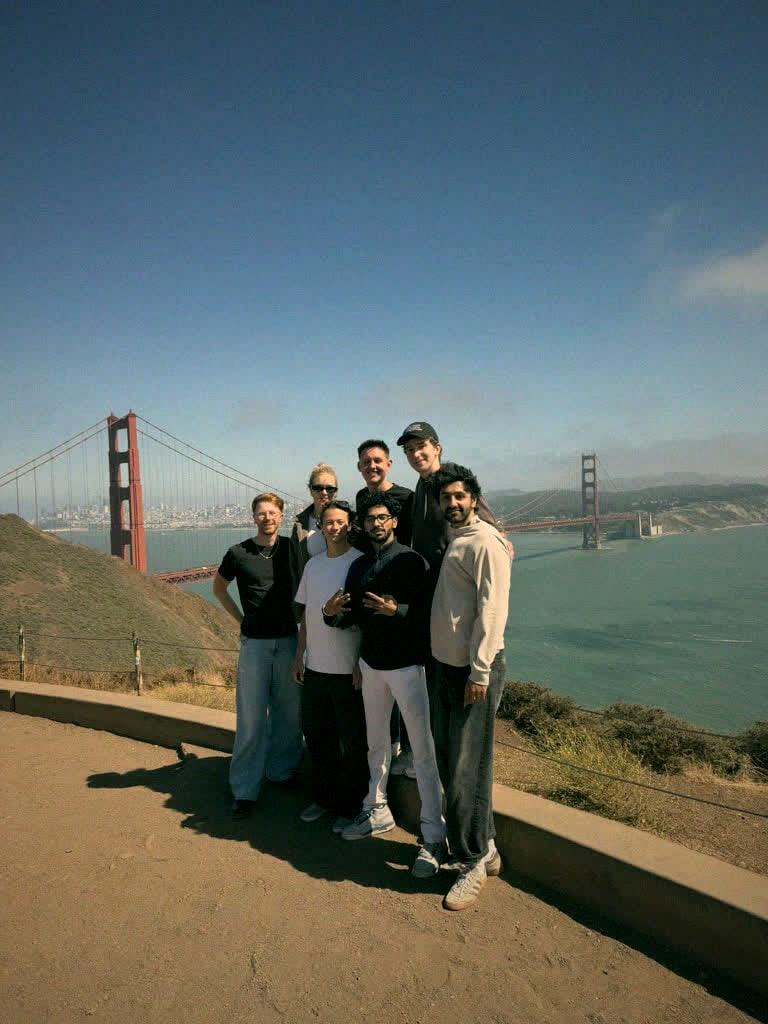
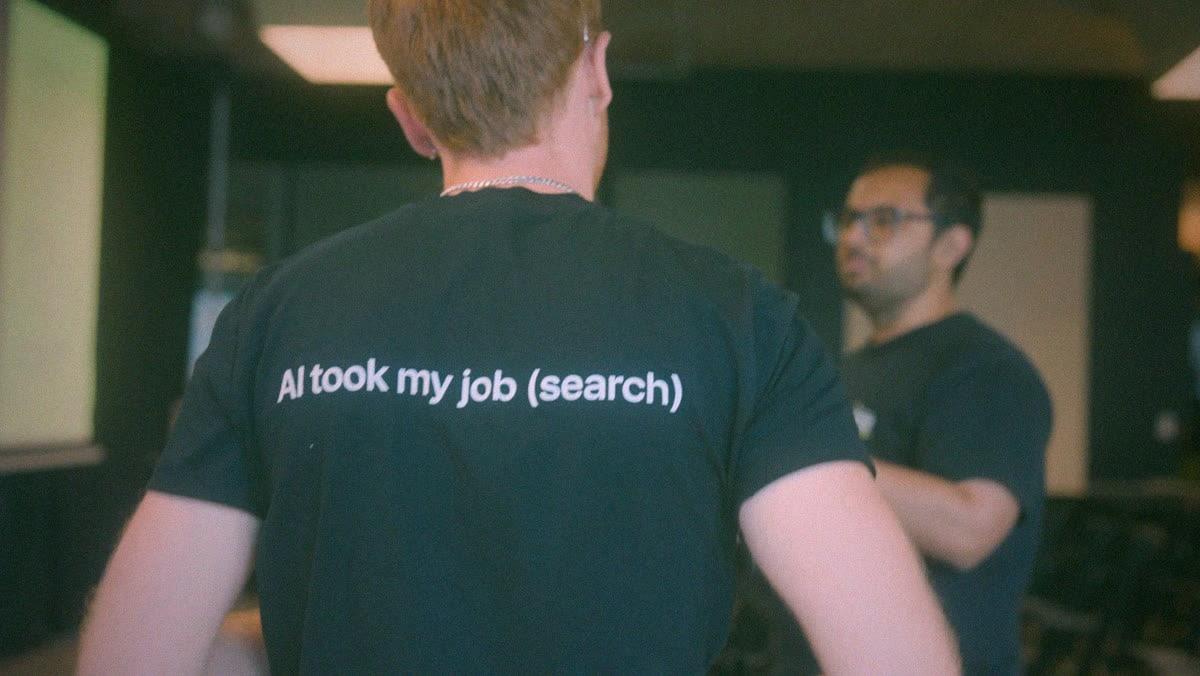

A dozen of us, in a house in San Francisco.
Open source
The tooling we built to run our own infrastructure is public on github.com/getclera. Every repo runs in production.
Read further
- 500 GB, overnightDaniel on moving our 500 GB production database to ClickHouse Managed Postgres in one night.
- Zero downtimeShlok on moving Clera from Supabase to GCP at 2,000+ requests a minute without dropping one.
- CultureThe nine principles we work by, and the habits we push back on.
- AIWhere we use language models in the product, and where we chose not to.
- Open sourceThe CLIs and Terraform modules we built for ourselves.