Unlock efficient startup hiring. This guide helps early-stage companies build a robust, scalable interview process to find top talent faster.
Scaling interview training: A Startup's Guide to Building a Robust hiring process
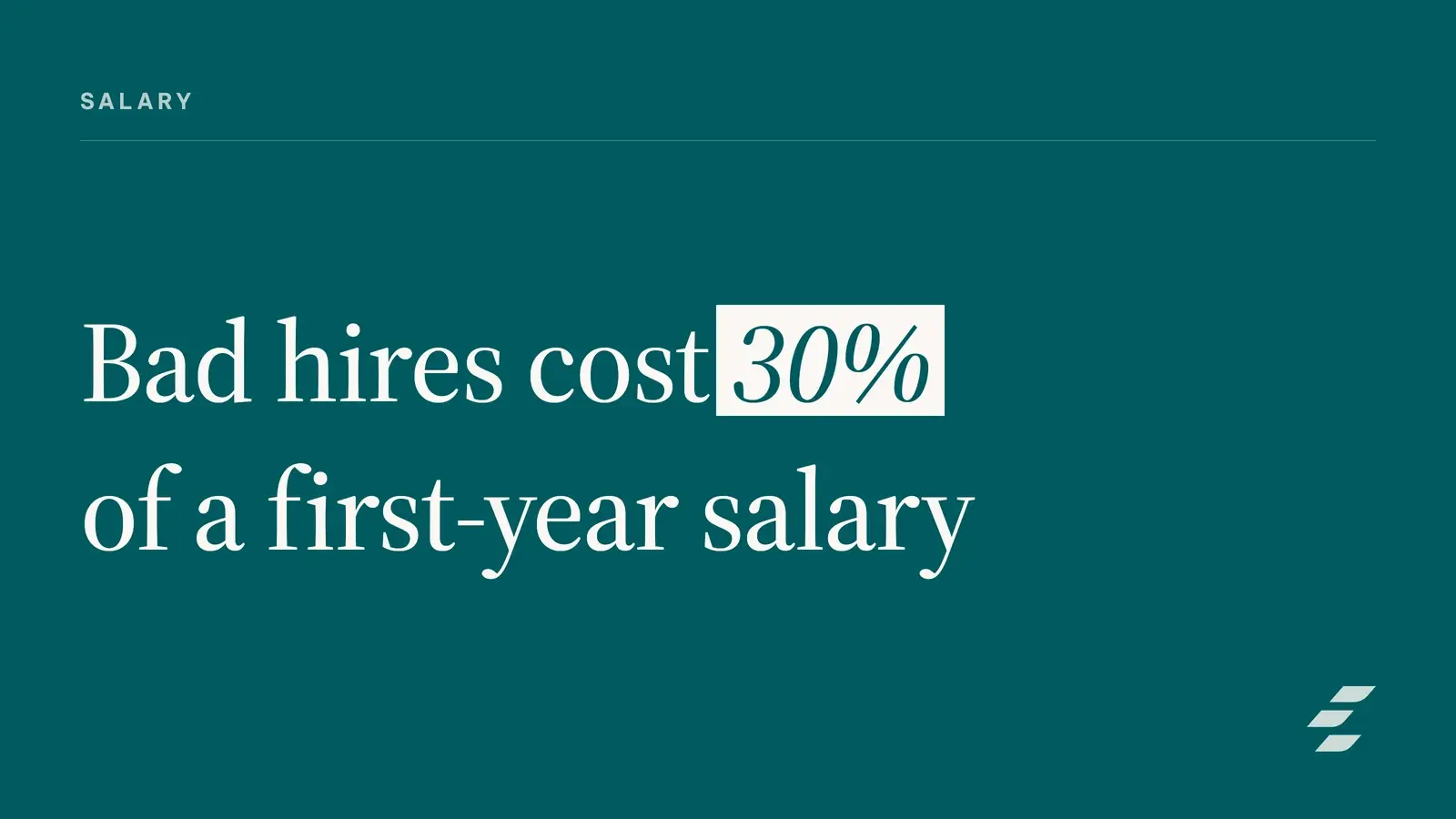
So, you're building something amazing, right? You've got a killer product, a passionate team, and the ambition to change the world. But here's the catch: all that potential hinges on your ability to find and hire the right people. And let's be honest, the interview process can be a total bottleneck. Did you know that poor hiring decisions can cost a company up to 30% of an employee's first-year salary? That's a huge hit, especially for a startup! The cost of a bad hire can be up to 30% of the employee's first-year salary. Source: U.S. Department of Labor
At Clera, we understand the pressure. Building a robust hiring process, especially when you're scaling, is tough. That's why we've put together this guide to help you master scaling interview training. You'll learn how to create a consistent, effective, and scalable interview process that identifies top talent, minimizes bias, and ultimately, helps you build the dream team you need to succeed. We'll cover everything from structuring interviews to training your team and leveraging technology to streamline the entire process.
Ready to level up your hiring game? Let's dive in.
The Startup Hiring Hurdle: Why interview training Matters
As we discussed, scaling is tough. That's why understanding the importance of interview training is crucial, especially for startups. It's not just about filling seats; it's about building a team that can drive your vision forward. This is where a well-defined and consistent hiring process becomes your most valuable asset.
The Price of a Poor Hire
Let's be frank: bad hires are expensive. They drain resources, slow down progress, and can even damage your company culture. For a startup, where every dollar and every team member counts, the impact is amplified. Consider the cost of lost productivity, the time spent on rehiring, and the potential damage to your reputation.
- Takeaway: Prioritize a structured interview process to minimize the risk of costly hiring mistakes.
Unstructured Interviews: A Recipe for Mismatches
Many startups, in their rush to grow, fall into the trap of unstructured interviews. This often involves casual conversations with no clear goals or standardized evaluation criteria. The result? Inconsistent assessments, subjective decisions, and a higher likelihood of hiring the wrong person. This is where interview training becomes essential. Companies with structured interview processes are 26% more likely to make a good hire. Companies with structured interview processes are 26% more likely to make a good hire. Source: LinkedIn Talent Solutions, 2023 Global Recruiting Trends
For example, imagine a startup like Brex. They emphasize a data-driven approach to hiring, tracking metrics like time-to-hire and offer acceptance rates. They use a combination of behavioral and technical interviews to ensure a consistent evaluation across all candidates. This structured approach helps them identify top talent and build a high-performing team.
- Takeaway: Implement standardized interview questions and scoring rubrics to ensure consistency and objectivity.
Building a Foundation for Growth
The best time to establish a scalable and consistent hiring process is now, before you're overwhelmed by rapid growth. This means creating clear job descriptions, defining evaluation criteria, and training your team on effective interviewing techniques. Consider the example of Stripe, known for its rigorous interview process. They use standardized questions and scoring rubrics to ensure consistency across candidates. They also use take-home assignments to assess practical skills. This approach allows them to scale their hiring while maintaining a high bar for talent.
- Takeaway: Start with a structured process, even if it's simple, and refine it as you grow.
To help you get started, consider leveraging tools like Clera, which can streamline your candidate screening and interview scheduling. This will free up your team to focus on higher-value activities like conducting effective interviews. Remember, building a great team is the foundation of a successful startup.
What is Interview Training? Understanding the Core Components
As we discussed, building a strong team is critical for startup success. But how do you ensure you're consistently making the right hiring decisions? That's where interview training comes in. It's an investment that pays dividends by improving the quality of your hires and streamlining your hiring process.
Defining Interview Training and Its Benefits
Interview training equips your team with the skills and knowledge to conduct effective interviews, ultimately leading to better hiring outcomes. It's about more than just asking questions; it's about creating a consistent and objective evaluation process. The benefits are numerous: reduced time-to-hire, improved candidate quality, and a more positive candidate experience. For startups, where every hire is crucial, this is especially important. Companies with structured interview processes are 26% more likely to make a good hire. Companies with structured interview processes are 26% more likely to make a good hire. Source: LinkedIn Talent Solutions, 2023 Global Recruiting Trends This means less wasted time and resources on bad hires, and more time focusing on building your product and growing your business.
Essential Elements of an Interview Training Program
An effective interview training program should cover several key areas. First, it should focus on understanding the job requirements and the ideal candidate profile. Next, it should teach interviewers how to ask targeted, behavioral questions that uncover a candidate's skills and experience. Training should also include how to actively listen, take detailed notes, and assess candidates objectively. Finally, it should address bias mitigation, ensuring fair and equitable evaluations. For example, consider the rigorous interview process at Stripe, which focuses on technical skills and cultural fit. They use standardized questions and scoring rubrics to ensure consistency. This is a great model for startups to emulate.
The Power of Structure: Standardized Questions and Rubrics
One of the most critical components of interview training is the implementation of structured interviews. This means using a pre-defined set of questions, asked in the same order to all candidates. This approach helps to eliminate bias and ensures that all candidates are evaluated against the same criteria. Scoring rubrics are equally important. These provide a clear framework for evaluating candidate responses, assigning points based on specific skills and qualifications. This data-driven approach allows you to compare candidates objectively and make informed hiring decisions. Brex, for example, emphasizes a data-driven approach to hiring, tracking key metrics to continuously improve their process. By using standardized questions and scoring rubrics, you can significantly improve the consistency and fairness of your hiring process, which is especially important as your startup scales.
How to Build a Scalable Interview Process for Your Startup
Okay, let's dive into building a scalable hiring process for your startup. Attracting top talent is crucial for growth. But simply attracting candidates isn't enough; you need a system to efficiently and effectively evaluate them. Here's how to build a robust process that can scale with your company.
Crafting Compelling Job Descriptions and Evaluation Criteria
The foundation of any successful hiring process is a clear understanding of what you need. This starts with crafting compelling job descriptions. Think of them as your first sales pitch to potential candidates. They should accurately reflect the role's responsibilities, required skills, and company culture. Don't just list tasks; highlight the impact the role will have.
Equally important is establishing clear evaluation criteria. Before you even start reviewing applications, define the key skills, experience, and cultural fit attributes you're looking for. Create a scoring rubric for each stage of the interview process. This ensures consistency and helps mitigate bias. Stripe, for example, is known for its rigorous interview process, using standardized questions and scoring rubrics to ensure consistency.
- Key Actions:
- Develop detailed job descriptions that clearly outline responsibilities and expectations.
- Create a skills matrix to evaluate candidates objectively.
- Define specific, measurable, achievable, relevant, and time-bound (SMART) goals for each role.
Designing a Structured interview flow
A structured interview flow is critical for making informed hiring decisions. Companies with structured interview processes are 26% more likely to make a good hire. Companies with structured interview processes are 26% more likely to make a good hire. Source: LinkedIn Talent Solutions, 2023 Global Recruiting Trends This means having a standardized set of questions for each interview stage, ensuring all candidates are evaluated on the same criteria.
Consider a multi-stage process: a phone screen, a technical assessment (if applicable), a hiring manager interview, and a final interview with a team member or executive. Each stage should have a specific purpose and focus. For example, the phone screen can assess basic qualifications and cultural fit, while the technical assessment evaluates specific skills.
- Key Actions:
- Outline a clear interview flow with defined stages and objectives.
- Develop a standardized set of interview questions for each stage.
- Use a consistent scoring system to evaluate candidates across all stages.
Leveraging Applicant Tracking Systems (ATS) for Efficiency
As your startup grows, manually managing applications and scheduling interviews becomes unsustainable. This is where an Applicant Tracking System (ATS) comes in. An ATS streamlines the entire hiring workflow, from posting jobs to managing candidates and scheduling interviews. The global recruiting software market is projected to reach $6.7 billion by 2026, growing at a CAGR of 8.2% from 2020 to 2026. The global recruiting software market is projected to reach $6.7 billion by 2026, growing at a CAGR of 8.2% from 2020 to 2026. Source: Gartner, Recruiting Software Market Forecast, 2021-2026
An ATS like Greenhouse or Lever can automate tasks like sending automated emails, tracking candidate progress, and providing analytics on your hiring process. For example, Brex uses a data-driven approach to track key metrics like time-to-hire and offer acceptance rate.
- Key Actions:
- Research and select an ATS that fits your startup's needs (Greenhouse, Lever, or Clera).
- Integrate the ATS with your website and job boards.
- Use the ATS to track key hiring metrics and identify areas for improvement.
Why Interview Training is Crucial for Startup Success
So, you've got your Applicant Tracking System (ATS) set up, and you're ready to start attracting top talent. But simply having an ATS isn't enough. To truly succeed in the competitive startup landscape, you need to invest in robust interview training. This is where Clera can help, streamlining your process and providing valuable insights. Let's dive into why this is so critical.
Faster Hiring
Time is of the essence for startups. Every day a position remains unfilled is a day lost in progress. Efficient hiring processes directly impact your time-to-hire. The average time-to-hire for startups is 40-60 days, but can be reduced with efficient processes. The average time-to-hire for startups is 40-60 days, but can be reduced with efficient processes. Source: Glassdoor, 2024 Hiring Trends Report Structured interview training equips your hiring managers with the tools to quickly assess candidates. This includes standardized questions, scoring rubrics, and clear evaluation criteria. For example, by using Clera's AI-powered screening tools, you can quickly identify the most qualified candidates, allowing you to focus your time on the interview process. This is what Brex does, focusing on data-driven approaches to optimize their hiring.
Better Candidates
Improving candidate quality is another key benefit of interview training. A well-structured interview process helps you identify the candidates who not only possess the required skills but also align with your company culture. Companies with structured interview processes are 26% more likely to make a good hire. Companies with structured interview processes are 26% more likely to make a good hire. Source: LinkedIn Talent Solutions, 2023 Global Recruiting Trends Stripe, for instance, is known for its rigorous interview process, focusing on technical skills and cultural fit. By implementing consistent evaluation methods, you increase your chances of making successful hires. Clera can help you create and manage these consistent processes, ensuring every candidate is evaluated fairly and thoroughly.
Combating Bias and Fostering Diversity
One of the biggest challenges in hiring is bias mitigation. Unconscious biases can creep into the interview process, leading to a lack of diversity. Interview training helps mitigate this by educating hiring managers on common biases and providing tools to conduct objective evaluations. This includes using standardized questions, focusing on skills and experience, and avoiding subjective judgments. Clera's platform is designed to help you create a fair and equitable hiring process, promoting diversity and inclusion from the start.
Building a Strong employer brand
A positive candidate experience is crucial for building a strong employer brand. A well-executed interview process reflects positively on your company, even if a candidate isn't selected. This can lead to positive reviews on platforms like Glassdoor and attract top talent in the future. By investing in interview training, you ensure that every interaction with a candidate is professional and respectful. This helps build a positive reputation and attracts more high-quality applicants.
Key Actions:
- Implement a structured interview process with standardized questions and scoring rubrics.
- Train your hiring managers on effective interviewing techniques and bias mitigation.
- Leverage AI-powered tools like Clera to streamline your hiring process and improve candidate quality.
- Regularly review and refine your hiring process based on data and feedback.
Practical Implementation: Steps to Implement Interview Training
Now that we've established the importance of a strong interview process, let's dive into the practical steps for interview training implementation and building a robust hiring strategy. Remember, a well-defined process is crucial, especially for startups aiming to scale quickly and efficiently. Companies with structured interview processes are 26% more likely to make a good hire. Companies with structured interview processes are 26% more likely to make a good hire. Source: LinkedIn Talent Solutions, 2023 Global Recruiting Trends This means less wasted time and resources, and a higher chance of finding the right talent to fuel your growth.
Training Your Hiring Managers
The cornerstone of any successful hiring strategy is hiring manager training. Your hiring managers are on the front lines, and their ability to conduct effective interviews directly impacts your hiring success. This is where Clera can help. Start by providing comprehensive training on interview techniques. This should include:
- Structured Interviewing: Teach your managers to use standardized questions and scoring rubrics. This ensures consistency and reduces bias. Think about how Stripe uses standardized questions and scoring rubrics to ensure consistency across candidates.
- Behavioral Interviewing: Focus on past experiences to predict future performance. Ask questions like, "Tell me about a time you failed and what you learned."
- Bias Mitigation: Educate your team on unconscious biases and how to avoid them. This is critical for building a diverse and inclusive workforce.
- Legal Compliance: Ensure your managers understand the legal aspects of interviewing and what questions are off-limits.
Consider using role-playing exercises and mock interviews to give your managers hands-on experience. This will build their confidence and improve their interviewing skills.
Leveraging AI-Powered Tools for Efficiency
One of the biggest challenges for startups is scaling the hiring process. That's where AI-powered recruiting comes in. Tools like Clera can significantly streamline your workflow.
- Expert Opinion: Josh Bersin, HR and Talent Management Analyst, states that AI can significantly improve the efficiency of the initial screening process, allowing recruiters to focus on higher-value activities like interviewing.
Here's how AI can help:
- Automated Screening: Clera can automatically screen resumes and identify qualified candidates based on your criteria, saving you valuable time.
- Interview Scheduling: Automate the scheduling process, reducing back-and-forth emails.
- Candidate Assessment: Utilize AI-powered assessments to evaluate candidates' skills and cultural fit.
- Improved Candidate Experience: Provide a faster and more engaging experience for candidates.
For example, Brex, a Y Combinator-backed company, emphasizes a data-driven approach to hiring and uses a combination of behavioral and technical interviews. You can adopt a similar approach by leveraging AI to gather data and improve your process.
Continuous Improvement: Reviewing and Refining Your Process
The final, and arguably most important, step is to regularly review and refine your hiring process. This is a continuous cycle of improvement.
- Track Key Metrics: Monitor metrics like time-to-hire, cost-per-hire, offer acceptance rate, and employee performance.
- Gather Feedback: Collect feedback from hiring managers, candidates, and new hires.
- Analyze Data: Use the data you collect to identify areas for improvement.
- Make Adjustments: Based on your analysis, adjust your interview questions, scoring rubrics, and screening criteria.
Remember, the global recruiting software market is projected to reach $6.7 billion by 2026, growing at a CAGR of 8.2% from 2020 to 2026. The global recruiting software market is projected to reach $6.7 billion by 2026, growing at a CAGR of 8.2% from 2020 to 2026. Source: Gartner, Recruiting Software Market Forecast, 2021-2026 This means there are always new tools and technologies available to help you improve your hiring process. By embracing continuous improvement, you can build a hiring machine that consistently attracts and hires top talent.
Tools and Resources for Scaling Your Interview Process
So, you've got your job descriptions and screening criteria in place. Now, how do you scale your interview process as your startup grows? The good news is, there's a wealth of recruiting tools available to help you streamline and optimize your hiring efforts. The key is to choose the right tools for your specific needs and integrate them effectively into your workflow. Remember, companies with structured interview processes are 26% more likely to make a good hire. Companies with structured interview processes are 26% more likely to make a good hire. Source: LinkedIn Talent Solutions, 2023 Global Recruiting Trends
Let's break down some essential tools and resources to help you build a robust and scalable hiring process.
Applicant Tracking Systems (ATS)
An ATS is the backbone of your hiring process. It helps you manage applications, track candidates, schedule interviews, and collaborate with your team. For startups, choosing the right ATS is crucial. Consider these options:
- Greenhouse: A popular choice, Greenhouse offers a comprehensive ATS with robust features for managing the entire hiring lifecycle.
- Lever: Lever is another strong contender, known for its focus on candidate relationship management (CRM). This is particularly valuable for building a strong talent pipeline.
Takeaway: Implement an ATS early on. It will save you time and headaches as your team grows. For example, Brex, a Y Combinator-backed company, uses data-driven approaches to hiring, which is much easier with an ATS.
Assessment and Screening Platforms
To ensure you're hiring the right people, you need to assess their skills and fit. assessment platforms can help you automate this process, saving you time and ensuring consistency.
- Coderbyte: If you're hiring developers, Coderbyte is a great platform for coding assessments.
- TestGorilla: TestGorilla offers a wide range of pre-employment assessments for various skills, from technical to soft skills.
Takeaway: Use assessment platforms to standardize your evaluation process. This helps you avoid bias and identify top talent more efficiently. Stripe, for example, uses standardized questions and scoring rubrics to ensure consistency across candidates.
Sourcing and Candidate Relationship Management
Finding the right candidates is just as important as evaluating them. Sourcing tools help you identify and connect with potential hires.
- LinkedIn Recruiter: LinkedIn Recruiter is an essential tool for sourcing candidates on LinkedIn.
- Clera: Clera's AI-powered platform can help with candidate screening, interview scheduling, and more, freeing up your team to focus on the most important aspects of hiring.
Takeaway: Don't rely solely on inbound applications. Proactively source candidates, especially for specialized roles. Remember, the average time-to-hire for startups is 40-60 days, but can be reduced with efficient processes. The average time-to-hire for startups is 40-60 days, but can be reduced with efficient processes. Source: Glassdoor, 2024 Hiring Trends Report
By leveraging these interview resources and implementing a structured process, you can significantly improve your hiring efficiency and make better hires. Remember, as Lori Goler, VP of People at Facebook (Meta), said, "Startups need to prioritize structured interviews and consistent evaluation criteria from day one to avoid costly hiring mistakes."
Common Mistakes to Avoid in Interview Training
Okay, let's dive into some common pitfalls to avoid when building out your interview process. We've already discussed the importance of structured interviews and efficient processes to reduce time-to-hire. The average time-to-hire for startups is 40-60 days, but can be reduced with efficient processes. Source: Glassdoor, 2024 Hiring Trends Report Now, let's look at some interview training mistakes that can derail even the best-laid plans.
Neglecting Interview Training
This is a big one. It's tempting to assume that experienced hiring managers know how to interview effectively, but that's not always the case. Skipping interview training altogether is a recipe for inconsistent evaluations and potentially bad hires. Think about it: without proper training, interviewers might rely on gut feelings or personal biases, leading to subjective assessments. This is especially crucial for startups, where every hire has a significant impact.
Actionable Insight: Invest in training for all interviewers, even if it's just a short workshop. Cover topics like:
- Structured interview techniques (using standardized interview questions).
- Bias mitigation strategies (recognizing and avoiding unconscious biases).
- How to evaluate candidates based on pre-defined criteria.
- The importance of consistent scoring and documentation.
For example, imagine you're a startup like Brex. They emphasize a data-driven approach to hiring. Without training, even Brex's data-driven approach could be undermined by inconsistent interview execution.
Using Generic or Irrelevant Questions
Another common mistake is relying on generic, off-the-shelf interview questions that don't actually assess the skills and qualities needed for the role. This wastes everyone's time and provides little insight into a candidate's suitability. You need to tailor your questions to the specific requirements of each position and the culture of your startup.
Actionable Insight:
- Develop a list of core competencies for each role.
- Create a set of behavioral interview questions designed to assess those competencies (e.g., "Tell me about a time you had to overcome a significant challenge").
- Include technical questions to evaluate specific skills, especially for roles like software engineers. Consider using platforms like Coderbyte for technical assessments.
- Ensure questions align with your company's values and culture.
Consider Stripe's approach. They're known for their rigorous interview process, focusing on technical skills and cultural fit. They use standardized questions and scoring rubrics to ensure consistency.
Failing to Provide Feedback
Finally, failing to provide candidate feedback is a missed opportunity. It's not only a courtesy to the candidates, but it also helps you refine your own hiring process. Providing constructive feedback, even to candidates you don't hire, can build your employer brand and improve your chances of attracting top talent in the future.
Actionable Insight:
- Develop a system for providing timely and specific feedback to all candidates, regardless of the outcome.
- Use a standardized feedback template to ensure consistency.
- Focus on the candidate's strengths and areas for improvement, relating them back to the job requirements.
- Consider using Clera to automate some of the feedback process.
Remember, a structured and well-executed interview process is crucial for making good hires. By avoiding these common interview training mistakes, you'll be well on your way to building a strong team.
Conclusion: Start Scaling Your Hiring Today
We've covered a lot of ground, from avoiding common interview pitfalls to building a structured process that sets your startup up for success. Now, it's time to put these strategies into action and start scaling your hiring efforts. Remember, the global recruiting software market is projected to reach $6.7 billion by 2026, growing at a CAGR of 8.2% from 2020 to 2026, The global recruiting software market is projected to reach $6.7 billion by 2026, growing at a CAGR of 8.2% from 2020 to 2026. Source: Gartner, Recruiting Software Market Forecast, 2021-2026 a clear indication of the importance of investing in efficient hiring solutions.
Recap of Key Takeaways
Let's quickly recap the key takeaways to ensure you're ready to build your dream team:
- Structure is King: Implement a structured interview process with standardized questions and scoring rubrics. Companies with structured interview processes are 26% more likely to make a good hire. Companies with structured interview processes are 26% more likely to make a good hire. Source: LinkedIn Talent Solutions, 2023 Global Recruiting Trends Think of how Stripe uses a rigorous process to assess both technical skills and cultural fit.
- Define Your Needs: Create clear job descriptions and evaluation criteria. This helps you attract the right candidates and assess them fairly.
- Train Your Team: Invest in interview training for your hiring managers. This ensures consistency and reduces bias.
- Embrace Data: Track key metrics like time-to-hire and offer acceptance rates. Brex, for example, uses a data-driven approach to continuously refine its hiring process.
- Streamline Your Workflow: Leverage technology to automate tasks and improve efficiency.
Take the Next Step with Clera
Building a great team shouldn't be a headache. That's where Clera comes in. As an AI-powered recruiting platform, Clera is designed specifically for startups like yours. We help you streamline your entire hiring process, from candidate screening to interview scheduling, so you can focus on what matters most: building your product and growing your business.
Clera can help you:
- Automate Candidate Screening: Quickly identify the best candidates based on your criteria.
- Schedule Interviews Efficiently: Eliminate the back-and-forth of scheduling with automated scheduling tools.
- Improve Interview Consistency: Use AI-powered tools to help you create standardized interview questions and scoring rubrics.
- Reduce Time-to-Hire: Get your new hires on board faster, reducing the average time-to-hire, which for startups is typically 40-60 days. The average time-to-hire for startups is 40-60 days, but can be reduced with efficient processes. Source: Glassdoor, 2024 Hiring Trends Report
Ready to see how Clera can revolutionize your startup hiring? Visit our website at Clera to learn more and request a demo.
Start Implementing Today
Don't wait! The sooner you start implementing these strategies, the faster you'll build a high-performing team. Here's your action plan:
- Review Your Current Process: Identify areas for improvement based on the challenges we discussed.
- Develop Standardized Questions: Create a bank of interview questions tailored to your specific roles.
- Schedule Interview Training: Train your hiring managers on effective interviewing techniques and bias mitigation.
- Explore Clera: See how our AI-powered platform can help you streamline your hiring process.
- Track Your Metrics: Monitor your time-to-hire, offer acceptance rate, and employee performance to continuously improve.
By taking these steps, you'll be well on your way to building a strong and successful team. Remember, a well-defined and efficient hiring process is an investment in your company's future. For more in-depth information on specific topics, check out our blog post on How to Measure Hiring Success.