Startup Interviewing Skills are vital for founders. Learn to optimize your hiring process, improve recruitment training, and refine your talent.
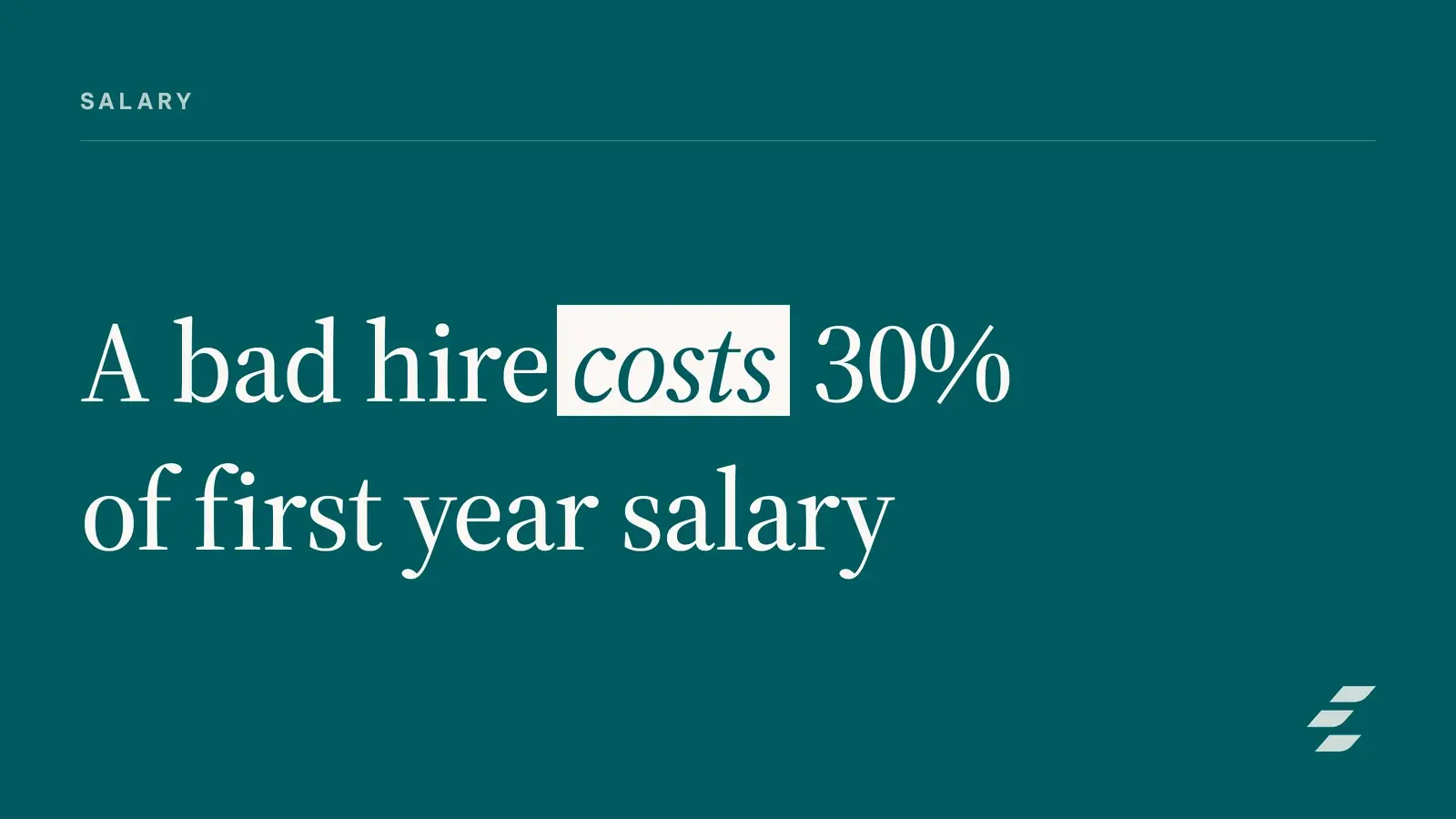
Every startup founder knows the gut-wrenching feeling: you’ve poured your heart, soul, and precious capital into building your vision. Each hire is a make-or-break decision. Yet, how often do we truly equip our hiring managers for the immense responsibility of interviewing? Many startups unknowingly waste countless hours and significant budget on ineffective interviews. Studies show a single bad hire can cost a company up to 30% of that employee's first-year salary – a hit most early-stage companies simply cannot afford.
This isn't about blame; it's about recognizing a systemic challenge. Interviewing effectively is a critical skill, not an innate talent. It's often left to chance. That's where a structured Hiring Manager Readiness Assessment comes in. In this article, you'll learn why ensuring your interviewers are confident, consistent, and capable is paramount for your startup's success. We'll cover the blueprint for implementing such an assessment, transforming your hiring process from a gamble into a strategic advantage, and ultimately helping you build an exceptional team with Clera.
The Startup Hiring Challenge: Why Preparedness is Paramount
You've recognized that interviewing is a skill, not a gamble. Now, let's dive into why mastering this skill, especially for your hiring managers, isn't just a good idea—it's absolutely paramount for your startup's survival and growth. The landscape of startup hiring challenges is fraught with pitfalls, and preparedness is your strongest defense.
The High Stakes of Startup Hiring
For an early-stage company, every single hire is a monumental decision. Unlike larger corporations with deep benches, a startup's small team means each individual carries significant weight. They impact everything from product development to company culture. A misstep here isn't just an inconvenience; it can be catastrophic. Consider the financial drain: The cost of a bad hire can be up to 30% of the employee's first-year salary (U.S. Department of Labor, 2023). For a startup operating on tight budgets and limited runway, this isn't just a statistic; it's a critical drain that can jeopardize your entire venture. Imagine hiring a key engineer who doesn't fit the team dynamic or lacks the necessary skills – the time lost, the morale hit, and the resources wasted are immense. Companies like Segment, in their rapid growth phase, understood this implicitly. They implemented mandatory interviewer training to ensure every hire contributed positively to their scaling efforts. Learn more about Segment's hiring approach.
The Hidden Costs of Unprepared Interviewers
Despite the high stakes, a surprising number of companies leave their hiring managers ill-equipped for this crucial task. Only 26% of companies provide formal training for hiring managers on interviewing techniques (HR.com Research Institute, 'The State of Interviewing' Report, 2022). This glaring gap directly leads to unprepared interviewers who often rely on intuition rather than structured evaluation. Inexperienced first-time hiring managers, especially in fast-paced startup environments, frequently fall back on "gut feelings." This significantly increases the risk of mis-hires and allows unconscious biases to creep into decisions. This lack of standardization also results in inconsistent hiring experiences for candidates. One applicant might face a rigorous, structured interview while another gets a casual chat. This not only alienates top talent but also makes it impossible to objectively compare candidates or build a truly diverse and high-performing team. Webflow, for instance, tackled this head-on. They developed a comprehensive internal 'Hiring Playbook' that mandates training on structured interviewing and bias awareness for all hiring managers, ensuring consistency and fairness across the board. Explore Webflow's careers.
Key Takeaways for Founders:
- Recognize the Gravity: Every hire is a strategic investment, not a casual decision.
- Invest in Training: Don't assume interviewing is an innate skill. Equip your managers.
- Standardize for Success: Combat inconsistency and bias with structured processes.
By proactively addressing these challenges, you transform your hiring from a reactive scramble into a strategic advantage. This ensures every new team member propels your startup forward. Discover the Importance of Structured Interviewing.
What is a Hiring Manager Readiness Assessment?
Building on our discussion about the strategic imperative of every hire and the need for proper training, let's dive into a crucial tool: the Hiring Manager Readiness Assessment.
Defining Readiness: More Than Just a Checklist
At its core, a Hiring Manager Readiness Assessment is a structured framework. It evaluates and develops a hiring manager's skills, knowledge, and confidence in leading effective interviews. For a startup, where every hire significantly impacts trajectory and culture, this isn't a nice-to-have; it's a non-negotiable investment in your future. It moves beyond assuming interviewing is an innate skill, recognizing it as a critical competency that needs to be honed.
A comprehensive interviewing skills assessment isn't just about ticking boxes; it's about building capability. It identifies specific areas where a hiring manager might excel or need further development. This ensures they are truly prepared to represent your company and accurately evaluate talent. This proactive approach is vital, especially when considering that only 26% of companies provide formal training for hiring managers on interviewing techniques, leading to inconsistent candidate experiences and suboptimal hiring decisions (HR.com Research Institute, 'The State of Interviewing' Report, 2022).
Think of it as a recruitment training framework that equips your managers with the tools to succeed. For instance, companies like Segment (acquired by Twilio) recognized the need to standardize their hiring as they scaled rapidly. They implemented mandatory interviewer training sessions for all new hiring managers. These sessions focused on active listening, identifying core competencies, and providing actionable feedback. This commitment to readiness directly contributed to a more consistent Candidate Experience and a higher quality of hire during their crucial growth phase.
Key Takeaway: A readiness assessment isn't a one-off test; it's the foundation for ongoing development, ensuring your hiring managers are always at the top of their game.
Core Objectives for startup success
Implementing a hiring manager readiness assessment directly addresses several critical challenges faced by rapidly growing startups:
- Ensures Consistency: It drives hiring process standardization across different teams and roles. This means whether you're hiring for engineering, marketing, or sales, candidates receive a consistent, fair, and professional experience. This consistency is crucial for maintaining your employer brand and making equitable hiring decisions.
- Focuses on Critical Areas: The assessment zeroes in on essential competencies. These include structured interviewing techniques, awareness of unconscious bias, and the ability to deliver an exceptional candidate experience. Structured interviews can increase the predictive validity of hiring decisions by up to 30% compared to unstructured interviews, directly impacting startup success rates (Schmidt & Hunter, 'The Validity and Utility of Selection Methods in Personnel Psychology', 2023). This focus helps mitigate the risk of costly mis-hires, which can be up to 30% of the employee's first-year salary (U.S. Department of Labor, 2023).
- Empowers Confident Interviewing: By providing clear guidelines and training, managers gain the confidence to lead interviews effectively, ask the right questions, and make data-driven decisions. As Lars Schmidt, Founder of Amplify Talent, puts it, "In the startup world, every hire is critical. Equipping hiring managers with a readiness assessment isn't just about process; it's about safeguarding culture and accelerating growth. It ensures they're not just interviewing, but truly evaluating for fit and potential." Read more from Amplify Talent.
Consider Stripe's early hiring philosophy, which emphasized rigorous, structured interviewing. They developed extensive internal training and interview guides, ensuring consistency and a high bar across all interviewers. This commitment to interviewer readiness became a blueprint for many tech companies. It focused on behavioral questions, clear rubrics, and debriefing processes to minimize bias and maximize signal.
Actionable Insight: By investing in readiness, you're not just improving individual skills; you're building a more robust, equitable, and effective talent acquisition engine for your entire startup.
Discover the Importance of Structured Interviewing.
Why Every Startup Needs a Readiness Blueprint for Talent Acquisition
A commitment to interviewer readiness can become a blueprint for many tech companies. It focuses on behavioral questions, clear rubrics, and debriefing processes to minimize bias and maximize signal. This commitment isn't just about improving individual skills; it's about building a more robust, equitable, and effective talent acquisition engine for your entire startup.
As a founder, you know every hire is critical. In the fast-paced startup world, the temptation to hire quickly can often overshadow the need to hire well. This is where a comprehensive readiness blueprint for talent acquisition becomes indispensable. It's not just a nice-to-have; it's a strategic imperative that directly impacts your company's growth trajectory and long-term success.
Elevating Quality of Hire & Retention
A strong startup talent acquisition strategy begins long before the first interview. It starts with ensuring your hiring managers are fully equipped. Companies with a strong onboarding process improve new hire retention by 82% and productivity by over 70% (Brandon Hall Group, 2023). Effective hiring, which starts with prepared hiring managers, is a key part of this. This isn't just about getting people in the door; it's about making sure they stay and thrive.
One of the most impactful elements of readiness is the adoption of structured interviewing. Structured interviews can increase the predictive validity of hiring decisions by up to 30% compared to unstructured methods (Schmidt & Hunter, 'The Validity and Utility of Selection Methods in Personnel Psychology', 2023). This means you're far more likely to hire the right person, reducing the significant cost of a bad hire, which can be up to 30% of an employee's first-year salary (U.S. Department of Labor). Companies like Segment (acquired by Twilio) understood this early on. They implemented mandatory interviewer training sessions for all new hiring managers, leading to a higher quality of hire crucial for their rapid scaling.
Mitigating Bias and Ensuring Fairness
Equipping your hiring managers with a readiness blueprint isn't just about efficiency; it's about fairness and protecting your core values. It ensures they evaluate candidates for genuine fit and potential, rather than relying on gut feelings or unconscious biases. This proactive approach helps to safeguard company culture from the outset. Lars Schmidt, Founder of Amplify Talent, rightly points out, "In the startup world, every hire is critical. Equipping hiring managers with a readiness assessment isn't just about process; it's about safeguarding culture and accelerating growth. It ensures they're not just interviewing, but truly evaluating for fit and potential."
Webflow, a Y Combinator alumnus, exemplifies this with their "conscious hiring" approach. They developed a comprehensive internal 'Hiring Playbook' that includes modules on unconscious bias and structured interviewing techniques. All hiring managers must complete it before leading interviews. This commitment ensures alignment and fairness, building a more diverse and inclusive team.
Building a Strong Employer Brand
Your hiring process is often a candidate's first real interaction with your company culture. Unprepared interviewers can leave a negative impression, causing top talent to drop out of your pipeline. Conversely, a well-executed, consistent interview experience, driven by a readiness blueprint, significantly enhances your employer brand. It signals professionalism, respect, and a clear vision.
Consider that only 26% of companies provide formal training for hiring managers on interviewing techniques (HR.com Research Institute, 'The State of Interviewing' Report, 2022). This presents a massive opportunity for your startup to stand out. By investing in a readiness blueprint, you're not just improving your internal processes; you're actively shaping a positive external perception, making your startup a more attractive destination for top talent.
Key Actions for Your Startup:
- Develop a concise 'Hiring Manager Readiness Program': Focus on structured interviewing, behavioral questions, bias awareness, and feedback best practices.
- Create standardized interview guides and scorecards: Ensure consistency across all roles and interviewers.
- Implement a 'shadowing' program: Allow new hiring managers to observe and be observed, followed by constructive feedback.
- Leverage technology: Utilize platforms like Clera to streamline your startup talent acquisition strategy, ensuring consistency and data-driven insights.
Discover the Importance of Structured Interviewing.
Key Components of an Effective Readiness Program
An effective readiness program for your hiring managers isn't just a nice-to-have; it's a strategic imperative for any startup aiming for sustainable growth. Only 26% of companies provide formal training for hiring managers on interviewing techniques (HR.com Research Institute, 'The State of Interviewing' Report, 2022), meaning many early-stage companies miss this critical investment. Equipping your team with the right skills ensures consistent candidate experiences and, more importantly, leads to better hiring decisions. Josh Bersin rightly points out, "The biggest mistake early-stage companies make is assuming interviewing is an innate skill. It's not." Read more from Josh Bersin. Here are the key components that form the backbone of such a program:
Mastering Structured Interviewing Techniques {#the-importance-of-structured-interviewing}
At the core of any robust readiness program is mandatory training on structured interviewing techniques. This includes a deep dive into crafting and utilizing both behavioral and situational questions. Behavioral interviewing asks candidates to describe past experiences. Situational questions probe how they would handle hypothetical scenarios. Both are far more predictive of future performance than unstructured chats. Structured interviews can increase the predictive validity of hiring decisions by up to 30% compared to unstructured interviews (Schmidt & Hunter, 'The Validity and Utility of Selection Methods in Personnel Psychology', 2023). Companies like Stripe, even in their early days, built extensive internal recruitment training modules and interview guides. They emphasized a rigorous, structured approach to minimize bias and maximize signal. This ensures every interviewer asks relevant questions and evaluates candidates against consistent criteria.
- Actionable Takeaway: Develop standardized interview guides for each role. Include example behavioral and situational questions, and a clear rubric for evaluation.
Unpacking Unconscious Bias & Promoting Inclusivity
Another crucial element involves modules dedicated to identifying and mitigating unconscious biases in the hiring process. Unconscious bias training helps hiring managers recognize inherent preferences or stereotypes that can inadvertently influence their judgment. This can lead to less diverse teams and missed talent. Webflow, for instance, developed a comprehensive internal 'Hiring Playbook' that includes mandatory unconscious bias training for all hiring managers. This commitment to "conscious hiring" ensures that decisions are based on merit and fit, not on subconscious prejudices. For startups, where every hire significantly impacts culture, fostering an inclusive hiring environment from day one is paramount.
- Actionable Takeaway: Integrate interactive workshops or online modules on various forms of unconscious bias (e.g., affinity bias, confirmation bias) into your readiness program. Provide practical strategies for mitigation.
The Art of Active Listening & Constructive Feedback
Finally, an effective program provides guidance on active listening, effective note-taking, and providing constructive, objective feedback. Interviewing isn't just about asking questions; it's about truly hearing and understanding the candidate's responses, documenting them accurately, and then synthesizing that information into actionable, unbiased feedback. Poor interviewing skills can lead to costly mis-hires – the cost of a bad hire can be up to 30% of the employee's first-year salary (U.S. Department of Labor, 2023). Segment, during its rapid scaling phase, prioritized training hiring managers on active listening and providing actionable feedback, which significantly improved their quality of hire. Mastering interview feedback best practices ensures that debriefs are productive, focused on objective data, and contribute to a fair and consistent hiring decision.
- Actionable Takeaway: Implement a standardized feedback form that prompts interviewers for specific examples and objective observations, rather than subjective impressions. Encourage a "no notes, no feedback" policy.
By investing in these key components, your startup can transform its hiring process from an intuitive gamble into a strategic, data-driven advantage. This ensures you attract and retain the best talent. Discover the Importance of Structured Interviewing.
How to Implement Your Startup's Readiness Assessment Blueprint
Building on the foundation of objective feedback, the next critical step is to systematically equip your hiring managers with the skills and tools they need to excel. This isn't just about process; it's about safeguarding your startup's future. As the U.S. Department of Labor (2023) highlights, the cost of a bad hire can be up to 30% of an employee's first-year salary – a figure no startup can afford to ignore.
Designing Your Training Modules
The cornerstone of your readiness blueprint is a concise, mandatory 'Hiring Manager Readiness Program'. This program is vital for implementing hiring training that ensures consistency and effectiveness across your organization. Shockingly, only 26% of companies provide formal training for hiring managers on interviewing techniques (HR.com Research Institute, 2022), leaving many to rely on intuition. Don't let your startup fall into this trap.
Your program should cover core skills such as structured interviewing techniques, behavioral questioning, and crucial bias awareness. Think of Webflow's 'Hiring Playbook', which includes modules on unconscious bias and assessing for core values. This proactive hiring manager development ensures every interviewer understands not just what to ask, but how to listen and evaluate for true fit and potential.
Practical Application: Guides, Scorecards & Shadowing
Once trained, your managers need the right tools. Create standardized interview guides and scorecards for each role, outlining key competencies and example questions. This approach, championed by companies like Segment, ensures every candidate is evaluated against the same criteria, drastically improving objectivity. Structured interviews can increase the predictive validity of hiring decisions by up to 30% compared to unstructured interviews (Schmidt & Hunter, 2023).
Complementing these tools, implement an interview shadowing program. This is where new managers observe experienced interviewers in action, learning best practices firsthand. Crucially, they should also be observed themselves, receiving constructive feedback. This hands-on experience bridges the gap between theoretical training and real-world application, building confidence and competence.
Establishing Robust Debriefing Processes
The final piece of the implementation puzzle is establishing clear debriefing protocols. After interviews, your team needs a structured way to discuss candidates. Focus on objective observations and evidence gathered using your standardized guides and scorecards. This reinforces the "no notes, no feedback" policy and ensures decisions are consensus-driven, not based on individual gut feelings. Stripe, for instance, is renowned for its rigorous debriefing processes, ensuring a high bar for every hire. This systematic approach minimizes bias and maximizes the signal from each interview, leading to smarter, more strategic hiring decisions.
By integrating these elements, your startup transforms its hiring from a series of isolated conversations into a cohesive, strategic function. This ensures every hire propels your growth. Discover the Importance of Structured Interviewing.
Leveraging Technology for Smarter Hiring & Readiness
Building on the foundation of structured interviewing and strategic debriefing, the next frontier for startup hiring is leveraging cutting-edge recruiting technology. This enhances both efficiency and fairness. In the fast-paced startup world, every hire is critical, and technology can be your most powerful ally in ensuring your hiring managers are not just interviewing, but truly evaluating for fit and potential.
Essential Applicant Tracking Systems (ATS) {#choosing-the-right-ats-for-your-startup}
For startups, your Applicant Tracking System (ATS) isn't just a resume repository; it's the backbone of a structured, fair, and efficient hiring process. Platforms like Greenhouse or Lever are indispensable for managing your pipeline. Their true power lies in enabling structured interview kits and consistent feedback. These systems allow you to create standardized interview guides for each role, ensuring every candidate is asked relevant questions and evaluated against objective criteria. This consistency is vital, as structured interviews can increase the predictive validity of hiring decisions by up to 30% compared to unstructured interviews (Schmidt & Hunter, 'The Validity and Utility of Selection Methods in Personnel Psychology', 2023). Companies like Segment, as they scaled rapidly, recognized the need to standardize their hiring process. They implemented mandatory interviewer training sessions and leveraged their ATS for consistent feedback, leading to a higher quality of hire.
- Actionable Takeaway: Implement an ATS like Greenhouse or Lever to build structured interview kits, standardized scorecards, and a clear feedback loop for every interviewer. Choosing the Right ATS for Your Startup.
Pre-Employment & Technical Skill Assessments
Beyond the interview, objective skill screening is paramount. Pre-employment assessment platforms like TestGorilla allow you to objectively evaluate candidates' cognitive abilities, personality traits, and specific job skills (e.g., marketing, customer service, data analysis) before they even reach the interview stage. For technical roles, specialized platforms such as HackerRank or CoderPad are crucial for assessing coding proficiency and problem-solving skills in a standardized environment. This data-driven approach helps you identify top talent based on proven abilities, not just resume keywords or interview charisma. Given that the cost of a bad hire can be up to 30% of the employee's first-year salary (U.S. Department of Labor, 2023), investing in robust assessments is a smart move to mitigate risk.
- Actionable Takeaway: Integrate pre-employment assessment platforms (e.g., TestGorilla for general skills, HackerRank for technical) into your early screening process to objectively validate candidate skills.
AI-Powered Insights & Automation with Clera
This is where AI in recruiting truly shines, especially with tools like Clera. Imagine having an AI-powered assistant that can transcribe interviews (with consent), analyze conversational patterns, and even flag potential biases or inconsistencies in questioning across different interviewers. This kind of analysis can be invaluable for identifying areas where your hiring managers might need additional training or where unconscious biases are creeping into the process. For instance, if the AI detects that certain interviewers consistently ask leading questions or spend less time on critical competencies, it provides actionable insights for improvement. Clera can help ensure your hiring managers are not only prepared but also performing optimally, leading to fairer evaluations and ultimately, better hires.
- Actionable Takeaway: Explore AI-powered tools like Clera for interview transcription and analysis to gain objective insights into interviewer performance, identify biases, and ensure consistency across your hiring team.
Common Pitfalls to Avoid in Your Readiness Journey
While tools like Clera provide invaluable support, the journey to truly effective hiring manager readiness isn't without its obstacles. Many startups, in their rapid growth, fall prey to common recruitment pitfalls that can undermine even the best intentions. Avoiding these hiring manager training mistakes is crucial for building a high-performing team.
The Trap of 'One-and-Done' Training
Many startups, in their rush, view hiring manager training as a quick fix. They might offer a single workshop or a brief onboarding session and consider the job done. However, effective interviewing is a nuanced skill that requires practice and continuous improvement. Only 26% of companies provide formal training for hiring managers on interviewing techniques (HR.com Research Institute, 'The State of Interviewing' Report, 2022), leading to inconsistent candidate experiences and suboptimal hiring decisions. As global industry analyst Josh Bersin notes, "The biggest mistake early-stage companies make is assuming interviewing is an innate skill. It's not." Read more from Bersin by Deloitte. Companies like Stripe, even in their early days, understood this. They developed extensive internal training and interview guides that became a blueprint for rigorous, structured interviewing. Explore the Stripe Engineering Blog.
- Actionable Takeaway: Implement a modular, ongoing training program. Don't just train; provide refreshers, advanced modules (e.g., interviewing for culture add), and opportunities for peer learning. Master structured interviewing techniques.
Underestimating Leadership's Role
Without strong leadership buy-in, any readiness program is likely to falter. If senior leaders don't actively participate, champion the initiative, and model desired behaviors, it sends a clear message that it's not a priority. This is one of the most significant recruitment pitfalls for scaling startups. Companies with a strong onboarding process improve new hire retention by 82% and productivity by over 70% (Brandon Hall Group, 2023). This strong foundation begins with prepared hiring managers, a commitment that must come from the top. Lars Schmidt, Founder of Amplify Talent, emphasizes, "In the startup world, every hire is critical. Equipping hiring managers with a readiness assessment isn't just about process; it's about safeguarding culture and accelerating growth."
- Actionable Takeaway: Secure executive sponsorship. Ensure leaders not only endorse the program but actively participate in training, provide feedback, and hold their teams accountable for adopting best practices.
Overcomplicating the Assessment or Training
Startups are fast-paced, and busy managers simply don't have endless hours for complex training modules or convoluted assessment processes. Overcomplicating things can lead to disengagement and abandonment. The goal is effectiveness, not exhaustive bureaucracy. The U.S. Department of Labor (2023) highlights that the cost of a bad hire can be up to 30% of the employee's first-year salary, underscoring the need for robust, yet efficient, interviewing skills. Webflow, for instance, developed a comprehensive yet digestible "Hiring Playbook" that includes modules on unconscious bias and structured interviewing. All hiring managers are required to complete it, demonstrating that thorough doesn't have to mean overwhelming. Explore Webflow's careers.
- Actionable Takeaway: Design concise, impactful training. Focus on core competencies, provide clear, standardized interview guides (like those in Clera), and leverage tools that streamline the process rather than adding layers of complexity.
Your Blueprint for Confident Hiring: A Call to Action {#your-blueprint-for-confident-hiring-a-call-to-action}
You've seen how companies like Webflow prioritize conscious hiring, understanding that thorough preparation doesn't have to be overwhelming. Now, let's solidify that understanding into a strategic imperative for your startup. In the fast-paced world of startups, every hire is a make-or-break decision. That's why a Hiring Manager Readiness Assessment isn't just a best practice; it's a strategic imperative for your startup success.
Empowering Your Hiring Managers
The reality is, many companies are falling short. Only 26% of companies provide formal training for hiring managers on interviewing techniques (HR.com Research Institute, 'The State of Interviewing' Report, 2022). This gap is costing companies dearly. The cost of a bad hire can be up to 30% of the employee's first-year salary (U.S. Department of Labor, 2023), a figure no startup can afford to ignore.
As Josh Bersin, a global industry analyst, rightly points out, "The biggest mistake early-stage companies make is assuming interviewing is an innate skill. It's not." Empowering your hiring managers means equipping them with the tools and confidence to conduct effective interviewing that goes beyond gut feelings. Companies like Segment, during their rapid scaling, implemented mandatory interviewer training sessions, focusing on active listening and identifying core competencies. This led to a more consistent candidate experience and a higher quality of hire, crucial for their growth phase. The impact is undeniable: Structured interviews can increase the predictive validity of hiring decisions by up to 30% compared to unstructured interviews (Schmidt & Hunter, 'The Validity and Utility of Selection Methods in Personnel Psychology', 2023).
To empower your team to make confident, effective, and unbiased hiring decisions:
- Implement a concise readiness program: Focus on core interviewing skills, behavioral questions, and bias awareness.
- Standardize interview guides: Provide clear rubrics and scorecards for each role to ensure consistency.
- Foster a culture of feedback: Encourage constructive feedback for interviewers to continuously improve.
Partnering with Clera for Smarter Talent Acquisition
This is where Clera comes in. We understand the unique pressures of startup talent acquisition. Imagine a world where your hiring managers are not just prepared, but truly excel at confident hiring. Clera is designed to streamline your entire talent acquisition process, from intelligent candidate matching to providing structured interview frameworks that promote effective interviewing and minimize bias. By leveraging Clera, you empower your team to make confident, data-driven decisions, ensuring every hire contributes meaningfully to your startup success.
Stop leaving your most critical decisions to chance. Partner with Clera to transform your hiring process, build high-performing teams, and secure your competitive edge. Ready to build your blueprint for confident hiring? Explore Clera's solutions today.