Startup hiring challenges? Optimize your talent acquisition with Clera's AI platform to build your dream team and avoid costly mistakes!
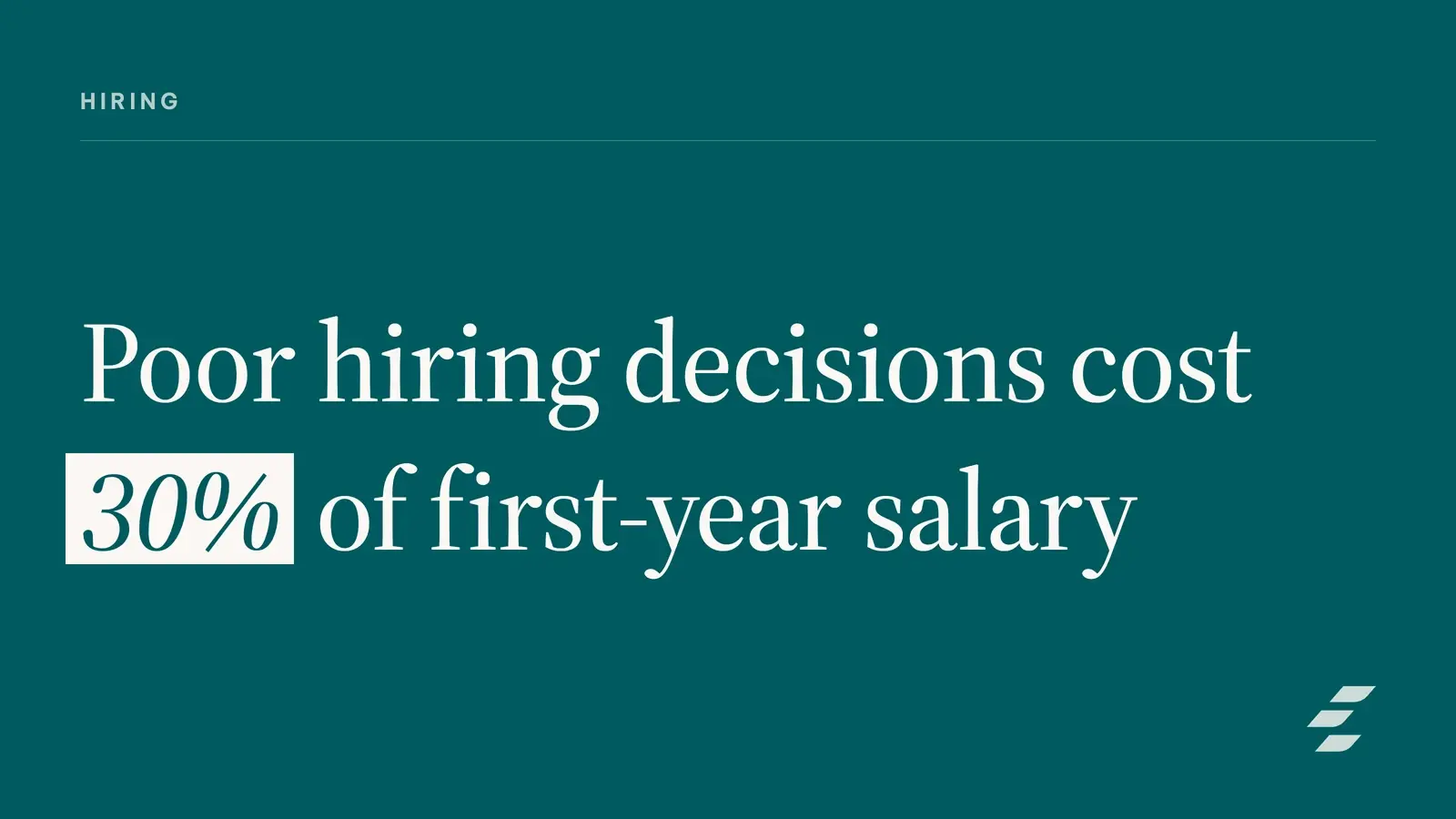
Building a rocket ship? You've got the vision, the product, and the drive. But your team is the fuel. If your hiring process isn't optimized, you're leaking that precious fuel fast. Did you know poor hiring decisions can cost a startup up to 30% of an employee's first-year salary? That's a huge hit to your runway!
At Clera, we understand the unique challenges startups face when it comes to talent acquisition. That's why we're diving deep into hiring manager enablement programs. Your hiring managers are the gatekeepers to your future success, and they need the right tools and training.
In this article, you'll learn how to build effective hiring manager enablement programs that empower your team to find, assess, and onboard top talent, even with limited resources. We'll cover everything from defining your ideal candidate profiles to implementing best practices for interviewing and making data-driven hiring decisions. Let's get your hiring engine firing on all cylinders!
The Startup Hiring Hurdle: Why Hiring Manager Enablement Matters
As we've discussed, hiring managers are the gatekeepers to your future success, and they need the right tools and training. But for startups, the stakes are even higher. Let's dive into why.
The High Stakes of Startup Hiring
Startups face unique startup hiring challenges. You're likely operating with limited resources, a fast-paced environment, and the constant pressure to scale quickly. Every hire is critical. A single bad hire can be devastating, impacting not only your team's productivity but also your company culture and, ultimately, your bottom line. The cost of bad hires extends far beyond the initial salary and benefits. It includes lost time, wasted resources spent on training and onboarding, and the potential for decreased morale among existing team members. A poorly performing employee can slow down projects, damage client relationships, and even drive away other talented individuals.
Consider Brex. They understood the importance of a strong company culture from the start. By developing a detailed hiring guide and providing ongoing training for their hiring managers, they were able to scale their team rapidly while maintaining their core values. This proactive approach is crucial for navigating the startup hiring challenges.
What is Hiring Manager Enablement?
So, how do you mitigate these risks? The answer lies in hiring manager training and enablement. It's about equipping your hiring managers with the knowledge, skills, and resources they need to make consistent, high-quality hiring decisions. This includes everything from defining the ideal candidate profile to conducting effective interviews and making data-driven assessments.
Hiring manager enablement is no longer optional; it's a necessity for startups to compete for top talent. It's about empowering your managers to make informed decisions quickly.
Here’s what a robust hiring manager enablement program should include:
- Structured Interview Processes: Implement standardized interview questions and scoring rubrics to ensure consistent evaluations.
- bias mitigation Training: Educate hiring managers on unconscious bias and best practices for diversity and inclusion.
- Technical Skill Assessment: Provide tools and training to help non-technical managers assess technical skills effectively.
- Data-Driven Decision Making: Teach managers how to use data to evaluate candidates and track the success of their hiring efforts.
The benefits are clear. Startups with effective hiring manager enablement programs experience a 20% reduction in time-to-hire(Source: LinkedIn Talent Solutions, 2024) and the average cost per hire for startups without structured hiring manager training is 30% higher (Source: Glassdoor, 2024).
For example, Stripe, a Y Combinator alum, saw significant improvements in hire quality and reduced time-to-hire after implementing a comprehensive hiring manager training program.
By investing in hiring manager enablement, you're investing in your company's future.
Why Invest in Hiring Manager Enablement? The Benefits for Startups
So, you're building a startup – congratulations! You're likely juggling a million things, and hiring is probably near the top of the list. But are your hiring managers equipped to find and onboard the best talent efficiently? That's where hiring manager enablement comes in. It's not just a nice-to-have; it's a strategic imperative, especially for startups looking to scale quickly and effectively.
Boosting Efficiency: Time and Cost Savings
Let's be honest, every penny counts when you're bootstrapping. One of the most immediate benefits of hiring manager enablement is a significant time-to-hire reduction. Startups with effective hiring manager enablement programs experience a 20% reduction in time-to-hire(Source: LinkedIn Talent Solutions, 2024). This means less time spent on open positions and more time focusing on your core business. This efficiency translates directly into lower cost per hire. The average cost per hire for startups without structured hiring manager training is 30% higher (Source: Glassdoor, 2024). Think about it: less time spent on interviews, fewer wasted resources, and a faster path to productivity.
Actionable Insight: Implement a structured interview process with standardized questions and scoring rubrics. This ensures consistency and helps hiring managers make more objective decisions. Consider using an applicant tracking system (ATS) like Greenhouse or Lever to streamline the process.
Attracting and Retaining Top Talent
A well-trained hiring manager is a magnet for top talent. They know how to identify the right candidates, assess their skills effectively, and sell your company's vision. This leads to improved candidate quality and, crucially, higher retention rates. Remember the example of Stripe? They saw a significant improvement in the quality of hires after implementing a comprehensive hiring manager training program.
Actionable Insight: Provide training on unconscious bias and diversity and inclusion best practices. This ensures fair and equitable hiring decisions, broadening your talent pool and fostering a more inclusive workplace. Consider using an AI-powered recruiting platform like Clera to help identify and attract diverse candidates.
Building a Strong Company Culture
Your hiring process is the first impression many candidates have of your company. A positive and professional experience, guided by well-trained hiring managers, strengthens your employer branding. This, in turn, attracts better candidates and contributes to a stronger company culture. Brex, for example, developed a detailed hiring guide and provided ongoing training, emphasizing the importance of understanding the company culture during the interview process. This helped them scale rapidly while maintaining their values.
Actionable Insight: Develop a hiring manager enablement program with ongoing training and resources. This should include regular feedback sessions, access to best practices, and opportunities for continuous learning.
How to Build a Winning Hiring Manager Enablement Program
So, you've got a great company culture, and you're ready to scale. But to do that effectively, you need to equip your hiring managers with the right tools and knowledge. That's where a robust hiring manager enablement program comes in. It's no longer optional; it's a necessity. As Lars Schmidt, HR Tech Advisor, puts it, "Hiring manager enablement is no longer optional; it's a necessity for startups to compete for top talent." Let's break down how to build one that works.
Creating a Standardized Hiring Process
The first step is to define a clear and consistent hiring process. This means creating standardized interview questions, scoring rubrics, and candidate evaluation forms. This ensures that every candidate is assessed fairly and consistently, regardless of who's interviewing them. Think of it like this: without a standardized process, you're relying on individual managers' instincts, which can lead to inconsistent results and potentially, bad hires.
For example, Stripe, a Y Combinator alum, implemented a comprehensive hiring manager training program focused on structured interviewing and candidate assessment. This resulted in a significant improvement in the quality of hires and a reduction in time-to-hire. Startups with effective hiring manager enablement programs experience a 20% reduction in time-to-hire (Source: LinkedIn Talent Solutions, 2024).
Key Actions:
- Develop a detailed hiring guide outlining each stage of the hiring process.
- Create standardized interview questions tailored to each role.
- Implement a scoring rubric to evaluate candidates objectively.
Training on Interviewing Techniques and Bias Mitigation
Next, provide comprehensive interview training to your hiring managers. This should cover various interviewing techniques, such as behavioral interviewing, situational questions, and technical assessments. Crucially, it must include bias mitigation training. Unconscious biases can creep into the hiring process, leading to unfair decisions and a lack of diversity.
Consider incorporating training modules that address common biases and provide practical strategies for mitigating them. This could include workshops, online courses, and role-playing exercises.
Key Actions:
- Offer regular interview training sessions covering various interviewing techniques.
- Implement bias mitigation training to address unconscious biases.
- Provide resources on diversity and inclusion best practices.
Ongoing Support and Resources
Your hiring manager resources shouldn't end with initial training. Provide ongoing support and access to resources to help managers succeed. This could include a dedicated Slack channel, regular feedback sessions, access to best practices, and opportunities for continuous learning.
Consider using an Applicant Tracking System (ATS) like Greenhouse or Lever to streamline the hiring process and track key metrics.
Key Actions:
- Establish a dedicated support channel for hiring managers.
- Offer regular feedback sessions and performance reviews.
- Provide access to hiring manager resources, including best practices and templates.
- Utilize an ATS and consider AI-powered tools to streamline the process.
By investing in a strong hiring manager enablement program, you're investing in your company's future. It's a critical step in building a high-performing team and scaling your startup successfully.
Practical Steps: Implementing Your Enablement Program
So, you're ready to empower your hiring managers? Great! Building a robust hiring manager enablement program is a game-changer for startups, and it's a crucial step in building a high-performing team. Now, let's dive into the practical steps to get your program off the ground.
Conducting a Needs Assessment
Before you build anything, you need to understand the current landscape. This is where a thorough needs assessment comes in. Think of it as the foundation of your entire program. Start by identifying the pain points your hiring managers are currently experiencing. Are they struggling with inconsistent interview processes? Are they unsure how to assess technical skills? Are they facing challenges with unconscious bias?
Here's how to conduct a successful needs assessment:
- Gather Feedback: Conduct surveys, interviews, and focus groups with your hiring managers. Ask specific questions about their challenges, their training needs, and what resources they find most helpful.
- Analyze Data: Review your current hiring data. Look at time-to-hire, cost-per-hire, candidate quality, and turnover rates. The average cost per hire for startups without structured hiring manager training is 30% higher (Source: Glassdoor, 2024). This data will highlight areas where your program can make the biggest impact.
- Identify Gaps: Based on your feedback and data analysis, pinpoint the specific skills and knowledge gaps that need to be addressed. This will inform the content of your training modules.
For example, if you're a startup like Brex, you might find that hiring managers need more guidance on assessing cultural fit and understanding your company values during the interview process.
Developing Training Modules and Resources
Once you've identified the needs, it's time to create your training modules and resources. This is where you equip your hiring managers with the tools they need to succeed.
Here's a suggested structure:
- Structured Interviewing: Develop a standardized interview process with consistent questions and scoring rubrics. This helps to eliminate bias and ensures a fair evaluation of all candidates.
- Bias Mitigation: Provide training on unconscious bias and diversity and inclusion best practices. This is crucial for building a diverse and inclusive team.
- Technical Skills Assessment: Offer training or resources to help non-technical hiring managers assess technical skills effectively. Consider using platforms like Coderbyte for technical assessments.
- Company Culture and Values: Create modules that emphasize the importance of understanding and assessing company culture and values during the interview process.
- Resource Library: Compile a library of resources, including best practices, templates (interview guides, offer letters), and access to your Applicant Tracking System (ATS).
Stripe, for example, implemented a comprehensive hiring manager training program focused on structured interviewing, bias mitigation, and candidate assessment, resulting in improved quality of hires.
Measuring and Improving Program Effectiveness
Your work doesn't stop after launching the program. Continuous improvement is key. You need to measure the program's effectiveness and make adjustments based on the data. This is where program evaluation comes into play.
Here's how to measure and improve:
- Track Key Metrics: Monitor time-to-hire, cost-per-hire, candidate quality, and turnover rates. Startups with effective hiring manager enablement programs experience a 20% reduction in time-to-hire (Source: LinkedIn Talent Solutions, 2024).
- Gather Feedback: Regularly solicit feedback from hiring managers on the training modules and resources.
- Analyze Data: Use the data to identify areas for improvement. Are certain modules more effective than others? Are there any gaps in the training?
- Iterate and Refine: Based on your findings, update your training modules, resources, and processes.
Consider using an AI-powered recruiting platform like Clera to streamline your hiring process and track key metrics. With Clera, you can analyze your hiring data to identify areas for improvement and make data-driven decisions.
Leveraging Technology: Tools to Support Your Program
So, you've built a solid foundation for your hiring manager enablement program. Now, let's talk about how technology can supercharge your efforts and help you scale effectively. In today's competitive landscape, startups need every advantage they can get, and the right tools can make a massive difference. Remember, as Lars Schmidt, HR Tech Advisor, says, "Hiring manager enablement is no longer optional; it's a necessity for startups to compete for top talent."
Applicant Tracking Systems (ATS)
One of the first things you should consider is an applicant tracking system (ATS). Think of it as the central nervous system for your hiring process. An ATS streamlines everything from posting job openings to managing candidate applications and scheduling interviews. This frees up your hiring managers to focus on what they do best: evaluating candidates and making smart hiring decisions.
For example, Greenhouse is a popular ATS that helps startups manage their entire hiring pipeline. By using an ATS, you can track key metrics like time-to-hire and cost-per-hire, giving you valuable insights into the efficiency of your process. This is crucial because, as Glassdoor reports, " The average cost per hire for startups without structured hiring manager training is 30% higher" (Source: Glassdoor, 2024).
AI-Powered Recruiting Platforms
Next, let's explore the power of AI recruiting. This is where platforms like Clera come into play. AI recruiting platforms can significantly improve candidate sourcing and screening. They can analyze resumes, identify qualified candidates, and even automate initial screening tasks, saving your hiring managers valuable time.
Consider the impact: Companies using AI-powered recruiting platforms see a 15% improvement in candidate quality (Source: Gartner, 2025). This means you're more likely to find the right fit for your team, faster. For example, Clera can help you identify passive candidates who might not be actively looking but are a perfect match for your open roles.
assessment tools
Finally, don't underestimate the importance of assessment tools. These tools help you evaluate both technical and soft skills, ensuring you're making informed hiring decisions. For technical roles, platforms like Coderbyte offer coding assessments that allow you to evaluate a candidate's skills objectively. For soft skills, consider using behavioral assessments or structured interview guides.
Stripe, a Y Combinator alum, is a great example of a company that leverages assessment tools effectively. They implemented a comprehensive hiring manager training program focused on structured interviewing and candidate assessment, resulting in a significant improvement in the quality of hires.
Key Takeaways:
- Implement an ATS: Choose a system that fits your startup's needs and budget.
- Explore AI-powered recruiting: Consider platforms like Clera to streamline sourcing and screening.
- Utilize assessment tools: Evaluate both technical and soft skills to make data-driven hiring decisions.
Common Mistakes to Avoid in Hiring Manager Enablement
So, you're ready to empower your hiring managers and build a stellar team? That's fantastic! But before you jump in, let's talk about some common pitfalls that can derail even the best-intentioned hiring manager enablement programs. Avoiding these hiring mistakes is crucial, especially for startups where every hire has a significant impact. Remember, as Lars Schmidt, HR Tech Advisor, wisely stated, "Hiring manager enablement is no longer optional; it's a necessity for startups to compete for top talent."
Skipping Standardized Processes and Training
One of the biggest hiring mistakes startups make is failing to establish standardized processes and provide adequate training. Without a consistent approach, hiring managers are left to their own devices, leading to inconsistent candidate evaluations and potentially, bad hires. This lack of structure can also significantly increase your time-to-hire. Startups with effective hiring manager enablement programs experience a 20% reduction in time-to-hire (Source: LinkedIn Talent Solutions, 2024).
Think about it: how can you compare candidates fairly if each manager asks different questions or uses different criteria? Instead, create a structured interview process with standardized questions, scoring rubrics, and clear guidelines for evaluating candidates. This is exactly what Stripe, a Y Combinator alum, did, leading to improved quality of hires. Consider developing a detailed hiring guide, similar to what Brex implemented, to ensure everyone is on the same page.
Key Action:
- Develop a structured interview process with standardized questions and scoring rubrics.
Ignoring Unconscious Bias
Unconscious bias is a silent killer in the hiring process. It can creep into decisions, leading to a lack of diversity and ultimately, a less innovative and effective team. It's crucial to acknowledge that everyone has biases, and the key is to mitigate their impact.
Failing to address unconscious bias is a serious hiring mistake. Provide your hiring managers with training on unconscious bias and diversity and inclusion best practices. This training should cover topics like recognizing common biases, using objective criteria, and building diverse interview panels. Remember, the goal isn't to eliminate bias entirely (which is impossible), but to make managers aware of their biases and equip them with tools to make fairer decisions.
Key Action:
- Provide training on unconscious bias and diversity and inclusion best practices.
Failing to Measure and Improve
Finally, a common oversight is failing to measure the effectiveness of your hiring manager enablement program. You need to track key metrics to understand what's working and what needs improvement. This is a critical step in program evaluation.
Are you seeing a reduction in time-to-hire? Are your hires performing well? Are you improving diversity? Without tracking these metrics, you're flying blind. Implement a system for collecting feedback from hiring managers and candidates. Regularly review your hiring process and make adjustments based on the data you collect. This iterative approach is essential for continuous improvement.
Key Action:
- Regularly review and update the hiring process based on feedback and performance data.
By avoiding these common hiring mistakes, you can build a robust hiring manager enablement program that sets your startup up for success. And remember, tools like Clera can help streamline your hiring process and provide data-driven insights to improve your results.
case studies: Success Stories in Hiring Manager Enablement
Now that we've covered the common pitfalls and how to avoid them, let's look at some real-world examples of startups that have successfully implemented hiring manager enablement programs. These case studies offer valuable insights and demonstrate the tangible benefits of investing in your hiring managers. Remember, as Lars Schmidt, HR Tech Advisor, points out, "Hiring manager enablement is no longer optional; it's a necessity for startups to compete for top talent."
Stripe: Structured Interviewing and Bias Mitigation
One of the most effective strategies is to implement structured interviewing. This involves using standardized questions, scoring rubrics, and a consistent evaluation process. Stripe hiring, for example, is known for its rigorous approach. Their comprehensive hiring manager training program focuses on structured interviewing, bias mitigation, and candidate assessment. This has resulted in a significant improvement in the quality of hires and a reduction in time-to-hire. By focusing on structured interviews, Stripe minimizes the impact of unconscious bias, ensuring a fairer and more objective evaluation of candidates. This is crucial, especially in the early stages of a startup when every hire has a significant impact.
- Key Action: Implement a structured interview process with standardized questions and scoring rubrics.
Brex: Culture and Values Alignment
Another critical element is ensuring that hiring managers understand and can effectively assess a candidate's fit with the company culture and values. Brex hiring provides a great example of this. Brex developed a detailed hiring guide and provided ongoing training for hiring managers, emphasizing the importance of understanding the company culture and values during the interview process. This helped them scale their team rapidly while maintaining a strong company culture. This is particularly important for startups, where culture is often a key differentiator and a driver of employee engagement and retention.
- Key Action: Develop a detailed hiring guide and provide ongoing training for hiring managers, emphasizing the importance of understanding the company culture and values during the interview process.
Key Takeaways from Successful Implementations
These case studies highlight the importance of a proactive approach to hiring manager enablement. Startups that invest in their hiring managers see significant returns. For instance, startups with effective hiring manager enablement programs experience a 20% reduction in time-to-hire(Source: LinkedIn Talent Solutions, 2024). This translates to faster growth and reduced costs. The average cost per hire for startups without structured hiring manager training is 30% higher (Source: Glassdoor, 2024).
- Key Action: Invest in a comprehensive hiring manager enablement program with ongoing training and resources.
By learning from these successful implementations and implementing the key actions outlined above, you can build a strong hiring process that attracts top talent and sets your startup up for long-term success. Remember, tools like Clera can help streamline your hiring process and provide data-driven insights to improve your results.