Avoid costly hiring mistakes! Our essential guide to startup hiring helps founders scale recruitment with proven playbooks.
recruitment Playbooks for Startups: Your Step-by-Step Guide to Scaling Hiring
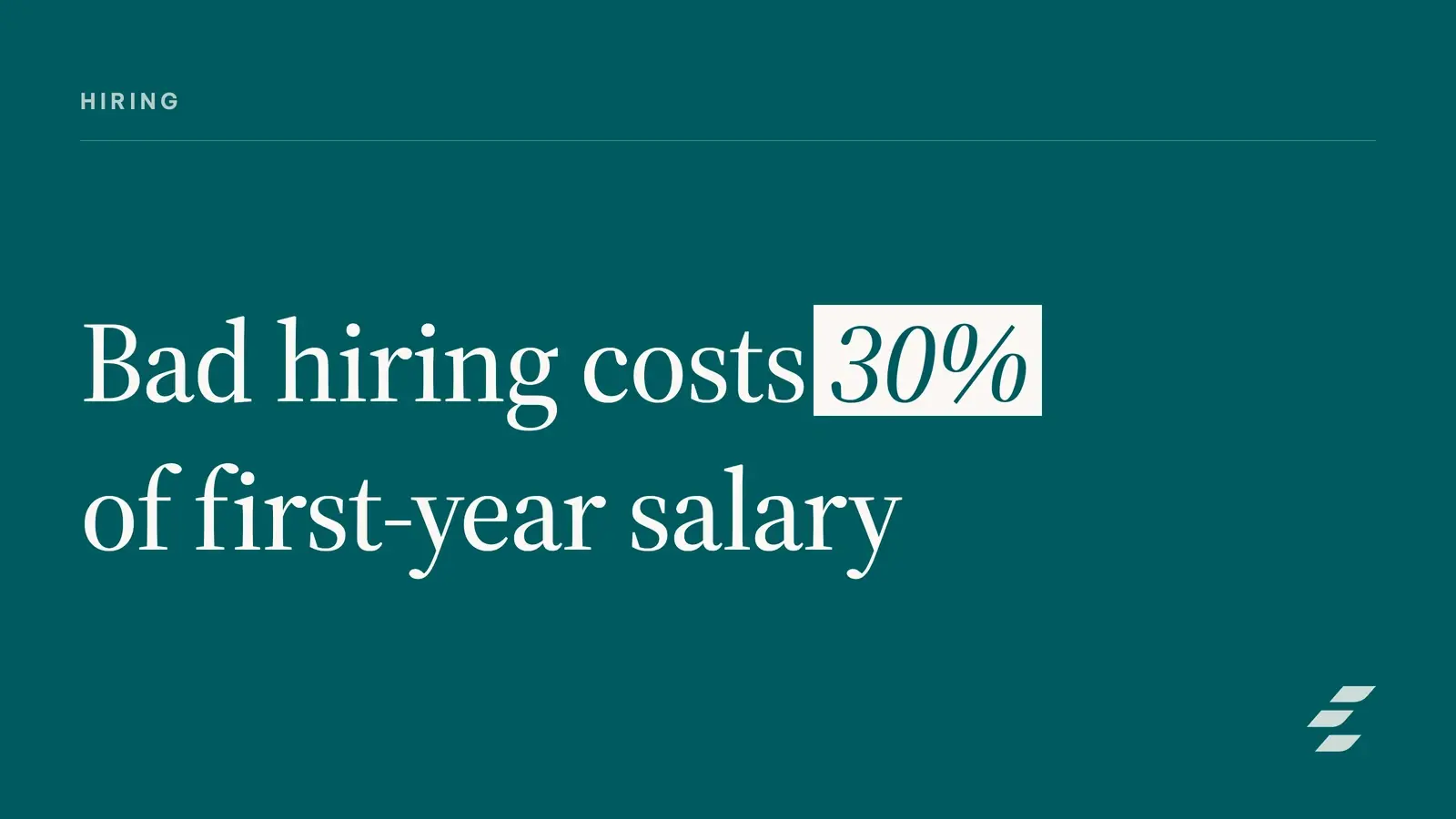
So, you're building something amazing! You have the vision, the product, and the drive. But here's the essential truth: your team is the key to scaling your startup. And that's where the real challenge begins. Did you know that bad hiring decisions can cost a company up to 30% of the employee's first-year salary? That's a huge hit, especially when every dollar counts.
At Clera, we understand the pressure. Building a high-performing team is tough, and the early days of a startup are a whirlwind. Without a structured recruitment process, you risk inconsistent hiring, wasted time, and a slower path to growth.
That's why we created this comprehensive guide. You'll learn how to build effective recruitment playbooks tailored for startups. We'll transform your hiring from a reactive scramble into a strategic advantage. We'll cover everything from defining your ideal candidate profiles to streamlining your interview process and onboarding new hires. Get ready to build a team that will propel your startup to success.
Let's dive in and build your dream team!
The startup hiring Struggle: Why You Need a recruitment playbook
The High Stakes of Startup Hiring
As we've discussed, a strong team is the cornerstone of any successful startup. But startup hiring can be brutal. You're not just competing for talent; you're often battling giants with deeper pockets and more brand recognition. This is especially true in competitive fields like tech, where companies like Stripe and Airbnb have set the bar high and demonstrate the importance of a well-defined hiring strategy. The stakes are incredibly high: a bad hire can be a costly setback, impacting productivity, morale, and even funding. Conversely, a stellar hire can be a game-changer, accelerating growth and driving innovation.
Common Startup Hiring Pain Points
The startup hiring challenges are numerous and often interconnected. Limited resources, both financial and in terms of time, are a constant constraint. You're likely juggling multiple roles, and the pressure to fill positions quickly can lead to rushed decisions. Without a structured hiring process, you're vulnerable to hiring process inefficiencies. This can mean poorly defined job descriptions, inconsistent interview questions, and a lack of objective candidate assessment. This can lead to poor candidate quality, increased time-to-hire, and, ultimately, higher cost-per-hire. Attracting top talent in a competitive market is a constant struggle.
Why a recruitment playbook is Essential
This is where a recruitment playbook becomes your secret weapon. Think of it as your strategic roadmap for building a winning team. It provides a framework for consistent and effective hiring, regardless of who's leading the process. A well-crafted playbook helps you:
- Define Your Ideal Candidate: Create detailed candidate profiles, outlining the skills, experience, and cultural fit required for each role.
- Streamline Your Process: Standardize your interview questions, assessment methods, and onboarding procedures.
- Improve Candidate Quality: Implement effective sourcing strategies, leveraging platforms like LinkedIn Recruiter and AI-powered tools like Clera to identify top talent.
- Reduce Costs: By optimizing your process and reducing time-to-hire, you can significantly lower your cost-per-hire.
- Build a Strong Employer Brand: Showcase your company culture and values to attract top talent.
By implementing a recruitment playbook, you're not just filling positions; you're building a sustainable hiring engine that will fuel your startup's growth.
What is a Recruitment Playbook? Defining the Core Components
What is a Recruitment Playbook? Defining the Core Components
So, you've got a handle on building your employer brand – that's fantastic! Now, let's talk about how to translate that brand into a streamlined and effective hiring process. That's where a recruitment playbook comes in. Think of it as your detailed, documented guide to hiring success. It's the blueprint for your entire hiring process documentation, ensuring consistency and efficiency as your startup grows.
Defining Your Ideal Candidate Profile
Before you even think about posting a job, you need to know who you're looking for. This is where defining your ideal candidate profile comes into play. This isn't just about skills; it's about understanding the specific qualities, experience, and cultural fit that will make someone thrive at your startup. Think about the values you've established and how those translate into the day-to-day work. For example, if you're building a collaborative environment, you'll want to prioritize candidates who demonstrate strong teamwork skills.
- Actionable Insight: Create a detailed candidate persona. Consider using tools like Clera to help you identify the best candidates based on their skills and experience.
Mapping Out Your Hiring Process
A well-defined hiring process is crucial, especially for startups. It helps you avoid common pitfalls like inconsistent interviews and delayed offers. This is where you map out every step, from the moment you decide to hire to the day your new team member starts. This includes:
- Job Posting: Where will you post the job? (LinkedIn, job boards, your website?)
- Application Screening: How will you filter applications? (Resume review, initial assessments?)
- Interview Stages: How many rounds of interviews will you have? Who will be involved?
- Assessment: Will you use skills tests or other assessments?
- Offer and Onboarding: How will you extend an offer and onboard the new hire?
Companies like Stripe, for example, have built a reputation for a rigorous interview process, including technical assessments and behavioral questions, which has helped them build a high-performing engineering team.
Key Components of a Recruitment Playbook
Now, let's dive into the core playbook components. These are the building blocks of your hiring strategy:
- Job Descriptions: Clear, concise, and compelling job descriptions are essential. They should accurately reflect the role's responsibilities and requirements.
- Sourcing Strategies: Where will you find your candidates? (LinkedIn Recruiter, referrals, job boards, etc.) Consider leveraging AI-powered tools like Clera to streamline your sourcing efforts.
- Interview Guides: Standardized interview questions and scoring rubrics ensure consistency and fairness across all candidates.
- Assessment Criteria: Define the specific skills and qualities you're looking for and how you'll evaluate them.
- Onboarding Plan: A smooth onboarding process is crucial for setting new hires up for success.
Remember, the global recruitment market is projected to reach $81.7 billion by 2026. The global recruitment market is projected to reach $81.7 billion by 2026, growing at a CAGR of 5.2% from 2020 to 2026. - Grand View Research A well-defined recruitment playbook is your key to capturing your share of that market and attracting top talent.
How to Build Your Startup Recruitment Playbook: A Step-by-Step Guide
How to Build Your Startup Recruitment Playbook: A Step-by-Step Guide
Now that you've established your core hiring principles and onboarding plan, let's dive into the practical steps of building your recruitment playbook. This is your roadmap to attracting and securing the talent your startup needs to thrive. Remember, a well-defined playbook is essential in today's competitive market, especially considering the projected growth of the global recruitment market. The global recruitment market is projected to reach $81.7 billion by 2026, growing at a CAGR of 5.2% from 2020 to 2026. - Grand View Research
Step 1: Define Your Hiring Needs and Goals
Before you even think about posting a job, you need a clear understanding of why you're hiring. What specific skills and experience are you looking for? What are the key performance indicators (KPIs) this new hire will be responsible for? Think about the immediate needs and the long-term impact on your company's growth.
- Action: Start by creating a "hiring brief" for each role. This document should outline the role's responsibilities, required skills, reporting structure, and the specific goals the hire needs to achieve within the first 3, 6, and 12 months.
- Example: Imagine you're a fintech startup looking for a Senior Software Engineer. Your hiring brief should clearly state the specific technologies they'll be working with (e.g., Python, React), the projects they'll contribute to, and the expected impact on product development and feature releases.
Step 2: Crafting Compelling Job Descriptions and Candidate Profiles
Your job description is your first impression. It needs to be clear, concise, and attractive to the right candidates. Go beyond listing responsibilities; highlight your company culture, values, and the exciting opportunities the role offers. Remember, companies with strong employer branding experience a 28% reduction in cost-per-hire. Companies with strong employer branding experience a 28% reduction in cost-per-hire. - LinkedIn Talent Solutions
- Action: Develop a detailed candidate profile, outlining the ideal candidate's experience, skills, and personality traits. Use this profile to guide your sourcing and screening efforts.
- Example: Look at how Stripe clearly communicates their expectations and values in their job postings. They emphasize technical skills and a collaborative work environment.
Step 3: Implementing a Structured Interview Process
A structured interview process ensures consistency and fairness. This involves using standardized questions, scoring rubrics, and multiple interview stages. This is where tools like Clera can be invaluable, helping you streamline the process and assess candidates effectively.
- Action: Design a multi-stage interview process, including phone screens, technical assessments (if applicable), and behavioral interviews. Use a consistent set of questions for each role and evaluate candidates based on pre-defined criteria.
- Example: Airbnb is known for its culture-first approach. Their interview process focuses on values alignment and cultural fit, ensuring that new hires are a good match for their team.
Remember to continuously evaluate and refine your playbook based on data and feedback. Track key metrics like time-to-hire, cost-per-hire, and candidate satisfaction to measure your success.
Why Employer Branding Matters for Startup Recruitment
Why Employer Branding Matters for Startup Recruitment
As a startup founder, you know that building a great team is crucial for success. But in today's competitive market, attracting top talent can feel like an uphill battle. That's where employer branding comes in. It's not just about what your company does; it's about who you are and what you stand for. And for startups, crafting a strong employer brand is no longer optional – it's essential.
Building a Compelling Employer Brand
Think of your employer brand as your company's reputation as a place to work. It encompasses your startup culture, values, and the overall employee experience. A well-defined employer brand helps you stand out from the crowd and attract the right candidates.
Consider companies like Airbnb. They've built a strong employer brand by focusing on values alignment and cultural fit. Their structured interview process, with consistent questions across candidates, ensures they're bringing in people who thrive in their environment. This approach has been instrumental in their rapid growth.
Here's how to get started:
- Define your values: What principles guide your company?
- Showcase your culture: What's it like to work at your startup?
- Be authentic: Don't try to be something you're not.
Leveraging Social Media for Recruitment
Your website is a great starting point, but don't underestimate the power of social media. Use platforms like LinkedIn, Twitter, and Instagram to share your company's story, highlight employee achievements, and showcase your startup culture. Employee testimonials are gold. They provide authentic insights into what it's really like to work at your company.
Stripe, for example, uses its blog and social media to highlight its rigorous interview process and the high-performing engineering team they've built. They emphasize clear communication and transparency throughout the hiring process, which resonates with potential candidates.
- Create engaging content: Share behind-the-scenes glimpses, employee spotlights, and company updates.
- Encourage employee advocacy: Empower your team to share their experiences.
- Be consistent: Regularly update your social media profiles.
The Impact of Employer Branding on Hiring
The benefits of a strong employer brand are significant. It attracts top talent, reduces your cost-per-hire, and improves your overall hiring efficiency. Companies with strong employer branding experience a 28% reduction in cost-per-hire. Companies with strong employer branding experience a 28% reduction in cost-per-hire. LinkedIn Talent Solutions This is particularly crucial for startups, where every dollar counts. Furthermore, startups that prioritize diversity in their hiring process are 35% more likely to outperform their competitors. Startups that prioritize diversity in their hiring process are 35% more likely to outperform their competitors. Josh Bersin, Deloitte
By focusing on your employer brand, you're not just filling positions; you're building a team of passionate individuals who believe in your vision. This is where Clera can help. Our AI-powered platform streamlines the recruitment process, allowing you to focus on building your brand and connecting with the best candidates.
Scaling Your Recruitment: Strategies for Growth
Scaling Your Recruitment: Strategies for Growth
As your startup grows, your initial recruitment strategies simply won't cut it. You'll need to adapt and implement scaling recruitment strategies to keep pace with your expanding needs. The global recruitment market is projected to reach a staggering $81.7 billion by 2026. The global recruitment market is projected to reach $81.7 billion by 2026, growing at a CAGR of 5.2% from 2020 to 2026. Grand View Research This means competition for top talent will only intensify. Let's explore how to build a robust talent acquisition strategy that supports your growth trajectory.
Expanding Your Sourcing Channels
Relying solely on job boards won't cut it when you're scaling recruitment. You need to diversify your sourcing efforts. Think beyond the usual suspects and explore multiple avenues to find the right people.
- LinkedIn Recruiter: This is a must-have for any startup. Actively search for candidates, build your network, and engage with potential hires.
- Employee Referrals: Incentivize your team to refer qualified candidates. Referrals often lead to higher-quality hires and faster time-to-hire.
- Industry Events and Conferences: Attend relevant events to network and identify potential candidates.
- University Partnerships: Build relationships with universities and colleges to tap into a pipeline of fresh talent.
- Consider Niche Job Boards: For specialized roles, explore industry-specific job boards.
For example, Stripe, known for its rigorous hiring process, likely utilizes a combination of these channels to find the high-performing engineers they need.
Leveraging Technology for Efficiency
Technology is your friend when it comes to hiring process optimization. Embrace tools that automate tasks, streamline workflows, and improve the candidate experience.
- Applicant Tracking System (ATS): Implement an ATS like Greenhouse, Lever, or Workable to manage applications, track candidates, and automate communication.
- AI-Powered Sourcing and Screening: Utilize platforms like Clera to automate sourcing, screen resumes, and identify top candidates quickly.
- Assessment Tools: Use platforms like TestGorilla to assess candidates' skills and fit for the role.
- Video Interviewing: Conduct initial interviews via video to save time and screen candidates efficiently.
Measuring and Optimizing Your Hiring Process
Data is crucial for continuous improvement. Track key metrics to understand what's working and what needs adjustment.
- Time-to-Hire: Measure the time it takes to fill a position.
- Cost-per-Hire: Calculate the total cost of hiring a new employee.
- Candidate Satisfaction: Gather feedback from candidates throughout the process.
- Diversity Metrics: Track the diversity of your applicant pool and hires. Remember, startups that prioritize diversity in their hiring process are 35% more likely to outperform their competitors. Startups that prioritize diversity in their hiring process are 35% more likely to outperform their competitors. Josh Bersin, Deloitte
Airbnb's culture-first approach, focusing on values alignment, has been instrumental in their rapid growth. By consistently measuring and analyzing these metrics, you can identify bottlenecks, refine your processes, and ultimately build a more efficient and effective recruitment machine.
Tools and Resources to Supercharge Your Startup Hiring
Tools and Resources to Supercharge Your Startup Hiring
So, you've got your hiring process mapped out, and you're ready to find some amazing talent. Now, let's talk about the tools that can truly supercharge your efforts. The global recruitment market is booming, projected to reach $81.7 billion by 2026. $81.7 billion by 2026, growing at a CAGR of 5.2% from 2020 to 2026. Grand View Research That's a lot of investment in finding the right people, and you want to make sure you're getting the most bang for your buck. Leveraging the right recruitment tools can significantly improve your efficiency, reduce your time-to-hire, and ultimately, help you build a winning team.
Applicant Tracking Systems (ATS)
First things first: you need an ATS. An ATS for startups is your central hub for managing the entire hiring process, from posting jobs to onboarding new hires. Think of it as your digital filing cabinet and project manager rolled into one.
- Why it matters: Without an ATS, you'll quickly get bogged down in spreadsheets, emails, and a general lack of organization. This is especially true as your startup grows.
- Examples: Greenhouse, Lever, and Workable are all excellent options. They help you track candidates, schedule interviews, and collaborate with your team.
- Actionable Insight: Choose an ATS that integrates with your existing tools (like your calendar and communication platforms) to streamline your workflow.
Sourcing and Assessment Tools
Finding the right candidates and evaluating their skills is crucial. This is where sourcing and assessment tools come in.
- Sourcing: LinkedIn Recruiter is a powerful tool for finding and connecting with potential candidates.
- Assessment: Platforms like TestGorilla allow you to assess candidates' skills and knowledge before you even bring them in for an interview. This can save you a ton of time and effort.
- Clera's Advantage: Clera's Clera AI-powered platform takes this a step further, automating sourcing, screening, and even initial candidate assessments. We help you identify the best fits quickly and efficiently.
- Case Study: Stripe, known for its rigorous hiring process, uses technical assessments to evaluate engineering candidates. Stripe's blog and various tech publications This is a great example of how to use assessments to find top talent.
Other Helpful Resources
Beyond the core tools, there are other resources that can help you optimize your hiring process.
- Employer Branding: Building a strong employer brand is crucial for attracting top talent.
- Diversity and Inclusion: Startups that prioritize diversity in their hiring process are 35% more likely to outperform their competitors. 35% more likely to outperform their competitors. Josh Bersin, Deloitte
- AI-Powered Automation:
By implementing these tools and strategies, you'll be well on your way to building a high-performing team. Remember to track key metrics like time-to-hire and cost-per-hire to continuously improve your process.
Common Mistakes to Avoid in Startup Hiring
Common Mistakes to Avoid in Startup Hiring
So, you're ready to build your dream team? That's fantastic! But before you dive in, let's talk about some common hiring mistakes that can derail even the most promising startups. The global recruitment market is booming, projected to reach $81.7 billion by 2026. The global recruitment market is projected to reach $81.7 billion by 2026, growing at a CAGR of 5.2% from 2020 to 2026. Source: Grand View Research Avoiding these recruitment pitfalls is crucial for your success. Let's break down the biggest ones.
Poorly Defined Job Descriptions
One of the biggest hiring errors is a vague or poorly written job description. It's the first impression you make on potential candidates, and if it's unclear, you'll attract the wrong people or, worse, no one at all. Think about it: how can someone know if they're a good fit if they don't understand the role's responsibilities, required skills, and company culture?
- Actionable Insight: Before posting a job, create a detailed job description that clearly outlines the role's responsibilities, required skills, and company culture. Be specific! Instead of saying "manage social media," specify "manage Instagram and TikTok, creating engaging content and increasing follower engagement by 20% within six months." Look at how Stripe, for example, is very clear about the technical skills and experience they seek in their engineers Stripe's blog and various tech publications.
Lack of a Structured Hiring Process
Winging it might work in the early days, but as your startup grows, a lack of a structured hiring process will lead to inconsistent evaluations and poor hiring decisions. This can result in a longer time-to-hire, increased costs, and a team that doesn't gel.
- Actionable Insight: Develop a standardized interview process with consistent questions for each role. Use assessment tools like TestGorilla to evaluate candidates' skills objectively. Consider incorporating behavioral questions to understand how candidates have handled real-world situations. Airbnb's structured approach, focusing on values alignment, is a great example to follow Airbnb's blog and various tech publications.
Neglecting Employer Branding
In today's competitive market, your employer brand is everything. It's how you attract top talent. If you don't actively cultivate a positive image, you'll struggle to compete. Companies with strong employer branding experience a 28% reduction in cost-per-hire. Companies with strong employer branding experience a 28% reduction in cost-per-hire. Source: LinkedIn Talent Solutions
- Actionable Insight: Showcase your company culture and values on your website, social media, and job postings. Encourage employee testimonials and create content that highlights your team's achievements and the impact of their work.
Diversity & Inclusion
Prioritizing diversity and inclusion isn't just the right thing to do; it's also good for business. Startups that prioritize diversity in their hiring process are 35% more likely to outperform their competitors. Startups that prioritize diversity in their hiring process are 35% more likely to outperform their competitors. Source: Josh Bersin, Deloitte
- Actionable Insight: Actively seek out diverse candidates through targeted sourcing and inclusive language in your job descriptions. Ensure your interview panels are diverse and that your hiring process is free from bias. Use tools like Clera to help you identify and attract a diverse pool of candidates.
By avoiding these common pitfalls, you'll significantly increase your chances of building a high-performing team. Remember to track key metrics like time-to-hire and cost-per-hire to continuously improve your process.