Unlock the secrets of attracting top talent to your startup! Learn how to build compelling career development stories and boost your recruiting efforts.
Crafting career development Stories: Your Startup's Secret Weapon
You've poured your heart, soul, and savings into your startup. You have the vision, product, and drive. But here’s the harsh truth: without top talent, your vision might stay just that. Attracting the best to a startup, especially early on, is tough. Big salaries, established brands, and great benefits at bigger companies are tempting.
That's where career development stories become your secret weapon. How do you convince the best to join your scrappy team? This guide is your answer. We'll explore how to craft compelling stories that showcase real growth opportunities. We'll frame your company not just as a job, but as a launchpad for future success. Get ready to transform your approach and watch your ability to attract – and keep – the talent your startup needs soar. Let's dive in.
The Power of Career Development Stories in startup hiring
Let's focus on how career development attracts top talent during startup hiring. Instead of just listing job duties, tell a story about career growth. Job seekers want to learn, grow, and build a great career. This is a crucial part of modern talent acquisition. By showing real growth opportunities, you'll attract and retain the right people.
Why Career Development Matters to Candidates
In today's job market, career development is a top priority. Candidates want to grow their skills, expand their responsibilities, and advance. They seek meaningful work and skills-building. Clearly showing your commitment to employees’ futures is essential for a winning recruiting strategy.
The Startup Advantage: Agility and Opportunity
Startups are uniquely positioned to offer fast career development. The fast-paced environment provides diverse experiences. Unlike bigger companies, startups often let you take on more responsibility, lead projects, and learn new skills quickly. This is a powerful selling point. Highlight promotions, cross-functional projects, and mentorship programs. Show stories of employees who've grown within your company.
Statistics and Expert Insights on Impact
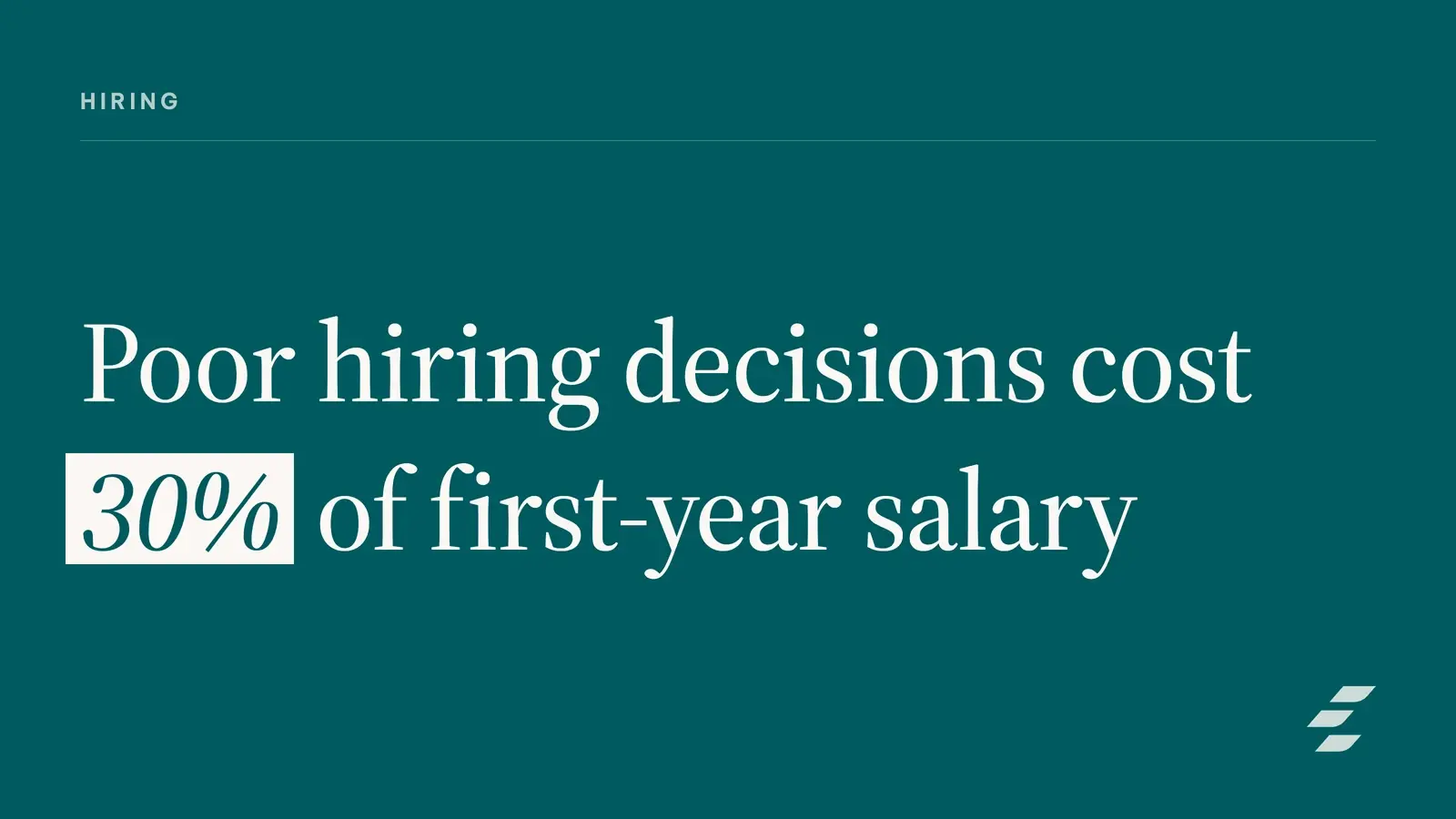
Data speaks volumes. Startups can stand out by focusing on career growth. According to the LinkedIn Talent Solutions, startup hiring Report 2023, startups with strong career development strategies see a 30% higher application rate from top talent (2023).. This shows the power of prioritizing employee growth. Plus, employee engagement increases by employee engagement increases by 40% in companies that actively promote internal mobility and career growth (2025 forecast).. As Lori Goler, VP of People at Facebook (Meta), notes, "Startups often underestimate the power of career narratives. Clearly articulating growth opportunities is crucial for attracting candidates.(Harvard Business Review, 'Attracting Talent in the Startup Ecosystem')"
Consider companies like Zapier and Buffer. Zapier uses employee stories and highlights promotions to showcase a growth culture, improving retention. Buffer openly shares its career development frameworks, outlining clear paths for advancement and skill-building, creating a culture of continuous learning. Zapier Careers Page and Case Studies and Buffer Open Blog and Careers Page are great resources.
Key takeaway: By weaving career narratives into your startup hiring, you offer a future. Show tangible growth, skill-building, and internal mobility to attract and keep the talent your company needs to thrive.
Building Your Startup's Career Development Framework
Building a thriving startup means attracting and growing top talent. A strong career development framework is key to long-term success. It's now a strategic necessity. Josh Bersin Academy highlights this, showing the importance of investing in your team’s future. Here's how to build a career development strategy that fits your startup.
Creating Clear Career Paths
Start small and adjust. Startups change fast. Start with a flexible framework. Clear career paths are crucial. Consider Lori Goler's advice about clearly explaining growth opportunities. Create basic pathways, outlining potential promotions and skill progression. This shows your commitment to employee engagement and career growth. For example, see how Buffer shares its career development frameworks, showing clear advancement paths. Buffer Open Blog and Careers Page Consider internal leveling systems or role matrices to clarify expectations.
Implementing Skill-Building Programs
Next, add skill-building opportunities. Use free or low-cost online platforms like Coursera or Udemy. Mentorship and peer-to-peer knowledge sharing build a culture of learning and internal mobility. Showcase success stories, like Zapier highlighting promotions. Zapier Careers Page and Case Studies Prioritize internal skill-sharing sessions and project-based learning.
Linking Development to Performance
Finally, connect development to company goals. Include career development discussions in performance reviews. Make sure employees get feedback and have plans for skill development tied to their roles. This makes the review process more valuable. Aligning individual development with organizational objectives boosts employee engagement. The Society for Human Resource Management (SHRM) reports that 79% of HR leaders believe career development programs significantly improve employee retention (2024). Companies promoting internal mobility and career growth see a jump in employee engagement, according to a recent Deloitte Human Capital Trends forecast. Employee engagement increases by 40% in companies that actively promote internal mobility and career growth (2025 forecast). This proactive approach attracts talent, especially since startups with strong strategies get more applications from top talent. Startups with strong career development strategies see a 30% higher application rate from top talent (2023).
Showcasing Employee Growth: Crafting Compelling Stories
Now, let's explore how to show the growth and development opportunities at your startup. This is key for employee engagement and talent acquisition. Showing career progression is a huge differentiator. Since companies promoting internal mobility and career growth see a boost in employee engagement of around 40% (2025 forecast), it deserves attention.
Employee Testimonials and Case Studies
The most powerful way to show growth is through real stories. Feature real employee experiences! Instead of just listing job titles, show the impact and achievements of your team. Consider interviews with employees who have moved up in the company. These should be relatable and inspiring, demonstrating the benefits of career development at your startup. Think about short videos, blog posts, or even a podcast. Reference case studies like Zapier (Zapier Careers Page) - they highlight internal promotions to attract talent. This creates a growth culture.
Highlighting Internal Promotions and Mobility
Showcasing promotions is a concrete way to demonstrate career advancement. Publicly announce promotions, celebrate work anniversaries, and feature employees who've moved up. Emphasize the journey—skills gained, training used, and support received. Companies like Buffer (Buffer Open Blog) are transparent about their career development frameworks and highlight skill-sharing, emphasizing growth as an ongoing process. This builds trust and reinforces that career advancement is a priority. Remember that a clear career path framework, even informal, helps tremendously.
Content Formats: Beyond the Written Word
Don't stick to text only. Variety increases the reach and impact of your growth stories. Use various formats to share employee journeys. Consider:
- Video testimonials: Short, impactful videos can capture the emotion of career growth.
- Infographics: Visually represent career paths and internal mobility success stories.
- Employee spotlights on social media: Regular features on LinkedIn and other platforms can showcase individual achievements.
As Lori Goler, VP of People at Meta, said: “Clearly articulating growth opportunities is crucial for attracting candidates.” (Harvard Business Review) Remember that including career development discussions in performance reviews provides a clear path for employees. This effort pays off, as 79% of HR leaders agree that career development significantly improves employee retention (2024). (79% of HR leaders believe career development programs significantly improve employee retention (2024).)
Addressing the Challenges: Startup-Specific Solutions
Startups face significant challenges in attracting and keeping talent. However, you can overcome these hurdles with a strategic approach. We'll explore solutions for the startup ecosystem. These strategies focus on maximizing impact despite the constraints of a young company.
Overcoming Limited Resources
Resource constraints are a reality for most startups. Formal, expensive training may be out of reach, but career development is still possible. Be resourceful and creative. Start by creating a clear, even informal, career path framework. Focus on potential roles and skills needed for advancement. Leverage free online learning platforms like Coursera and Udemy. Encourage mentorship and peer-to-peer knowledge sharing. Consider internal training sessions led by senior employees. Showcasing employee stories and growth on your website, similar to Zapier, can also highlight your commitment to employee growth and make your open positions more attractive to potential hires.
Navigating the Fast-Paced Environment
The rapid pace of a startup can make it hard to prioritize individual career planning. Integrate development discussions into the work. Regular performance reviews should include time for discussing career goals and progress. Use project management tools to create cross-functional collaboration. This lets employees gain experience in different areas, fostering internal mobility. Buffer transparently shares its career development frameworks, illustrating clear paths for advancement Buffer Open Blog. This helps employee development and contributes to greater engagement. Employee engagement increases by 40% in companies that actively promote internal mobility and career growth (2025 forecast). Employee engagement increases by 40% in companies that actively promote internal mobility and career growth (2025 forecast).
Showcasing Career Paths in a Dynamic Landscape
Startups often struggle to project career paths in a fast-changing environment. Be transparent about this. Acknowledge the uncertainty but highlight the learning opportunities. Share success stories of promotions and encourage employees to take on new challenges. Clearly articulating growth opportunities is crucial for attracting candidates, and as Lori Goler, VP of People at Facebook (Meta), notes, "Startups often underestimate the power of career narratives." Harvard Business Review. Moreover, startups with strong career development strategies see a 30% higher application rate from top talent (2023). Startups with strong career development strategies see a 30% higher application rate from top talent (2023). By prioritizing clear communication, fostering a culture of learning, and proactively addressing resource constraints, startups can effectively tackle talent acquisition challenges and build a thriving, engaged workforce.
Leveraging Technology and Tools for Career Development
Startups can boost their career development by using technology and tools. This supports individual growth and improves employee engagement. As Lori Goler, VP of People at Meta, emphasized, clearly explaining growth opportunities is crucial Harvard Business Review. It also helps startups build a sustainable workforce, as highlighted by Josh Bersin Academy.
Performance Management and Tracking
Implementing systems for tracking progress and defining clear career paths is fundamental. Tools like Lattice offer a robust platform for performance management. This allows for streamlined goal setting, check-ins, and performance reviews, creating a continuous feedback loop. Consider Buffer's approach: They share their career development frameworks Buffer Open Blog, showing clear advancement paths and linking performance reviews to individual growth goals. This promotes accountability. Using project management tools like Trello or Asana Trello/Asana can help employees manage cross-functional projects, providing experience and contributing to career advancement.
Skill Development and Learning Platforms
Access to continuous learning is key. Embrace tools that facilitate skill development. Platforms like LinkedIn Learning and Coursera offer online courses. This not only enhances individual capabilities but also fosters a culture of learning. Consider how Zapier showcases promotions Zapier Careers Page, showing the company's commitment to internal mobility.
Employee Feedback and Engagement
Regular feedback is critical. Tools for employee engagement, such as Culture Amp, can gauge employee needs and get valuable feedback. These platforms help startups understand employee satisfaction. According to Deloitte's Human Capital Trends, employee employee engagement increases by 40% in companies that actively promote internal mobility and career growth Employee engagement increases by 40% in companies that actively promote internal mobility and career growth (2025 forecast).. Use these tools to build a culture of feedback and growth, driving employee retention.
Measuring Success: Key Metrics and KPIs
How do you know if your efforts are working? Measuring your career development initiatives requires understanding key performance indicators (KPIs). For startups, these metrics provide insights and allow data-driven adjustments.
Employee Retention Rate
The employee retention rate is perhaps the most critical metric. This shows the success of fostering employee engagement. Tracking this rate shows if employees are staying and growing. A high retention rate means your programs are working. According to a 2024 survey, 79% of HR leaders believe career development programs significantly improve employee retention, highlighting the importance of this metric. To track this, calculate the percentage of employees who stay over a period of time. Compare this against industry benchmarks and track trends.
internal promotion rate
Monitoring your internal promotion rate offers another crucial perspective. This metric shows how well you support internal talent mobility. A high internal promotion rate indicates that you're creating opportunities for employees to advance their careers. This, in turn, can boost employee engagement by 40% Deloitte Human Capital Trends 2025 forecast, fostering loyalty. Create clear career paths and promote these opportunities.
Application and Offer Rates
Analyzing application and offer rates provides a leading indicator of how attractive your company is. A strong career development strategy helps drive a 30% higher application rate from top talent LinkedIn Talent Solutions, Startup Hiring Report 2023. Track applications per open position, candidates interviewed, and offers. A low offer rate, despite many applications, may mean your career development opportunities aren't highlighted enough. Tailor your pitch to showcase growth, using examples from internal promotions. Lori Goler from Facebook (Meta) stresses the importance of articulating growth opportunities Harvard Business Review, 'Attracting Talent in the Startup Ecosystem'. These rates show where your recruitment stands and how to improve startup hiring.
Case Studies: Successful Career Development at Startups
Now, let's learn from those excelling in career development. We can adapt their strategies to your company. This section will help you identify best practices for implementing effective programs, especially for a startup. Remember, understanding career narratives, as emphasized by Lori Goler from Facebook (Meta) Harvard Business Review, 'Attracting Talent in the Startup Ecosystem', is critical.
Zapier's Approach: Promotion and Cross-Functional Opportunities
Zapier prioritizes career growth. They showcase internal promotions and cross-functional opportunities. By featuring employee stories and highlighting these paths on their careers page, Zapier shows its commitment to employee engagement and internal mobility. This transparency attracts candidates and improves retention. This is effective, considering that 79% of HR leaders believe career development programs significantly improve employee retention (2024).
Buffer's Transparency: Clear Career Paths and Skill-Building
Buffer shares its career development frameworks, outlining paths for advancement and skill-building. They focus on internal skill-sharing and include career growth discussions in performance reviews, linking them to goals. This creates a culture of learning. This aligns with the forecast that employee engagement will increase by 40% in companies that actively promote internal mobility and career growth (2025 forecast)..
Key Takeaways from Successful Startups
What can we learn from these startups? Firstly, clearly explain growth opportunities. Startups with effective career development strategies see a 30% higher application rate from top talent (2023).. Secondly, prioritize internal mobility by creating pathways for employees to move within the company. Thirdly, use available resources. Even without a dedicated HR team, using platforms like LinkedIn Learning or including career discussions in performance reviews can provide a significant boost. Finally, focus on transparency and communication. Buffer's openness and Zapier's promotion of cross-functional projects build a culture of growth. Investing in career development isn't just a perk; it's essential for long-term success.